Aircon No Longer Under Warranty? How To Handle Repairs

family enjoying cool air from aircon

As a homeowner or business owner in Singapore, it’s common to rely on air conditioning to stay cool and comfortable, especially during the humid months. Aircons are a significant investment, and having one break down can be stressful. What if your aircon breaks down and is no longer under warranty? Should you repair it, replace it, or let it go? Learn more about how you can address the issue without breaking the bank.

Understanding Aircon Warranties

Before diving into what to do when your aircon is no longer under warranty, it’s essential to understand what the warranty covers. Aircon warranties typically cover the following:

  • Parts replacement: If any major components like the compressor, evaporator, or condenser malfunction within the warranty period, they will usually be repaired or replaced at no extra cost.
  • Labor costs: Many aircon manufacturers cover the labor charges for repairs during the warranty period.
  • Service fees: Regular maintenance and servicing may also be included for the duration of the warranty.

However, once the warranty expires, the cost of repairs and replacements falls entirely on the homeowner. This can lead to expensive out-of-pocket costs, especially if major components need to be replaced.

What Are Your Options After Warranty Expiry?

If a warranty no longer covers your aircon, you still have several options for maintaining or replacing it. Here’s a breakdown of the most practical steps to follow:

1. Check for Common Problems First

Before you call in a technician, it’s important to check for common issues that you might be able to resolve yourself. Some issues could be simple and not require professional intervention, saving you a costly repair bill. Common aircon issues include:

  • Dirty air filters: Dirty filters can restrict airflow and reduce cooling efficiency. If your aircon is blowing warm air, cleaning or replacing the filters is the first step.
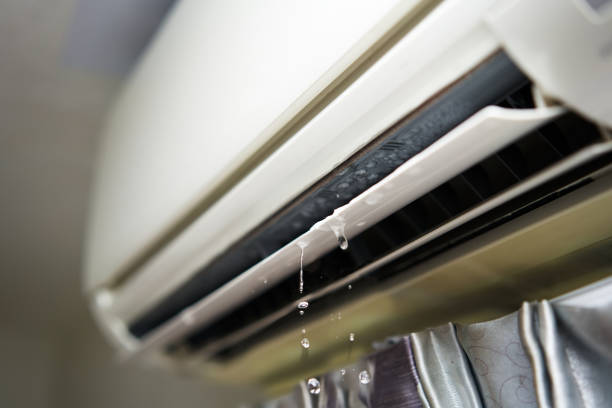
  • Clogged drainage line: If you notice water pooling around the aircon unit, the drainage line might be clogged. Clear this using a wet/dry vacuum or flushing it with warm water and vinegar.
  • Incorrect thermostat settings: Sometimes, the issue is as simple as incorrect settings on the thermostat. Make sure it’s set to the correct temperature and cooling mode.

2. Get a Professional Inspection

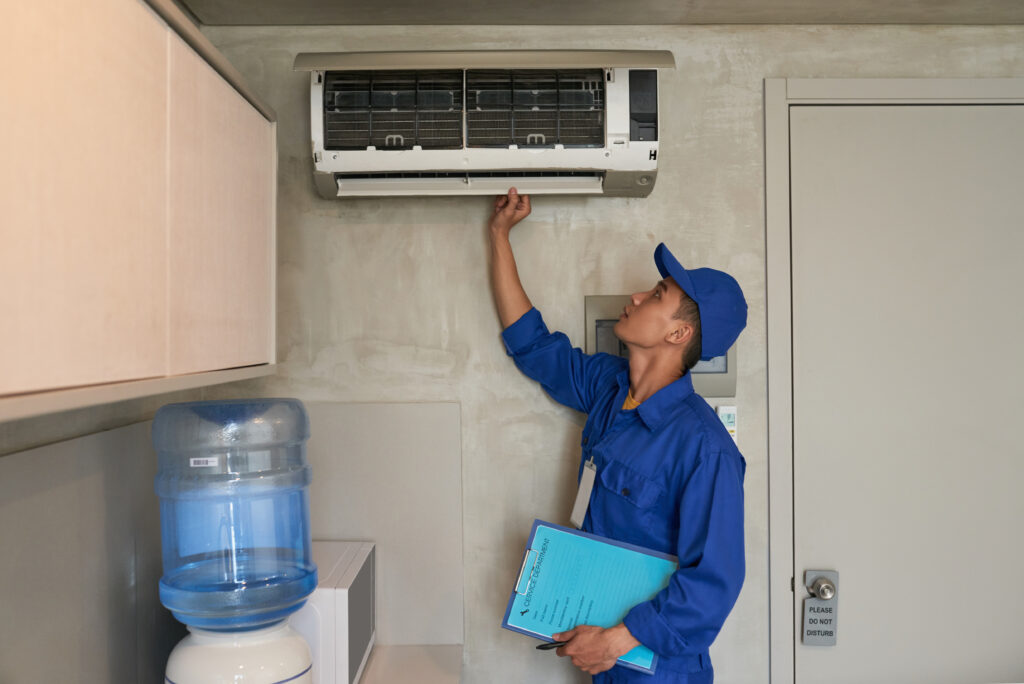
Even if you’ve checked for simple issues, getting a professional aircon technician to inspect the unit is always best, especially when it’s out of warranty. An expert will be able to identify underlying problems that you might miss. They can perform a diagnostic test to determine whether the aircon needs to be repaired, recharged with refrigerant, or if components need to be replaced.

Many aircon repair services offer affordable inspection fees. While this will incur a cost, it’s smart to get an accurate diagnosis before making any decisions.

3. Weigh Repair vs. Replacement

Once you know the issue, you must decide whether to repair or replace the aircon. Some factors to consider when making this decision include:

  • Age of the aircon: Aircon units have a typical lifespan of 10-15 years. If your aircon is older than that, replacing it might make more sense instead of paying for costly repairs. Newer models are more energy-efficient, saving you money in the long term.
  • Cost of repairs: If the repair costs are close to or exceed the cost of a new aircon, replacing the unit is the better choice.
  • Energy efficiency: Older units can consume more energy, increasing electricity bills. Replacing an outdated aircon with an energy-efficient model could lead to substantial savings.
  • Frequent repairs: If your aircon has required frequent repairs in the past year, investing in a new one may be more economical.
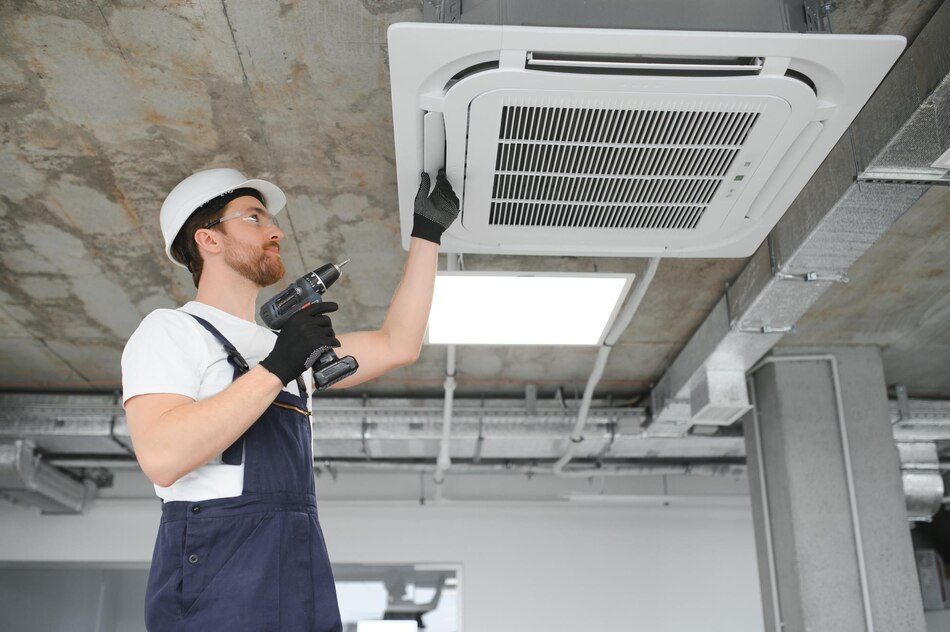
aircon tech

4. Get Multiple Quotes

Once you’ve decided to repair your aircon, getting multiple quotes from different service providers is important. Reputable aircon repair companies often offer free or low-cost quotes. Getting quotes from different service providers will give you a fair price for the repairs needed.

When comparing quotes, consider the following:

  • Reputation: Research the company’s reputation by reading reviews and testimonials.
  • Licensing and insurance: Ensure the service provider is licensed and insured. This protects you from any damages during the repair process.
  • Warranty on repairs: Some companies offer a warranty, which can give you peace of mind, knowing that any issues will be fixed at no additional cost.

5. Consider Regular Maintenance to Extend the Life of Your Aircon

To avoid issues with your aircon after the warranty expires, it must be serviced regularly. Regular maintenance can extend the unit’s lifespan and keep it running efficiently. Aircon maintenance includes cleaning the filters, checking the refrigerant levels, and inspecting the ductwork.

  • Scheduling regular service: You should schedule maintenance at least once every six months, particularly before the warmer months, to ensure the unit functions optimally.
  • What does maintenance include?: A typical maintenance visit includes cleaning the air filters, evaporator and condenser coils, checking for leaks, and testing the refrigerant level. This can help prevent costly repairs down the road.

6. Consider Upgrading to a More Efficient Model

If you’re spending more on repairs and your unit is over 10 years old, upgrading to a newer model is the most economical decision. Newer models are designed with energy efficiency in mind and can cool your home more effectively, leading to lower utility bills. Many aircon units now have advanced features like Wi-Fi connectivity, smart thermostats, and eco-friendly refrigerants contributing to lower environmental impact.

When upgrading, you should consider:

  • Size: Make sure the new unit is the right size for your space. A unit that’s too small won’t cool the area effectively, while one that’s too large will waste energy.
  • Energy efficiency: Look for units with a high energy efficiency ratio (EER) or those labeled with the Energy Star certification.
  • Budget: While upgrading may be an investment upfront, the long-term savings on energy bills and reduced repair costs can make it worthwhile.

7. Take Advantage of Professional Services for Reinstallation

If you are replacing an old aircon with a new one, it’s best to call a professional to uninstall the old unit and install the new one. Improper installation can reduce the efficiency of the aircon and cause unnecessary strain on the system, leading to additional repairs down the road. Professional installers will ensure the unit is correctly placed and calibrated to operate at its best.

Final Thoughts

Having an aircon unit break down after the warranty expires can be a stressful experience. However, knowing what steps to take can help you make the right decision. Before calling a professional, start by inspecting your aircon for common issues, such as clogged filters and faulty thermostats. Once you have a diagnosis, weigh the cost of repairs against the price of a new unit and consider upgrading if necessary. Lastly, regular maintenance can help extend the life of your aircon, saving you money in the long run.

If you’re unsure how to proceed, always contact a professional aircon technician for advice. Keeping your aircon in top shape, even after the warranty expires, will ensure that your home stays cool and comfortable for years.
Is Split Aircon Good For Your Home – Pros & Cons

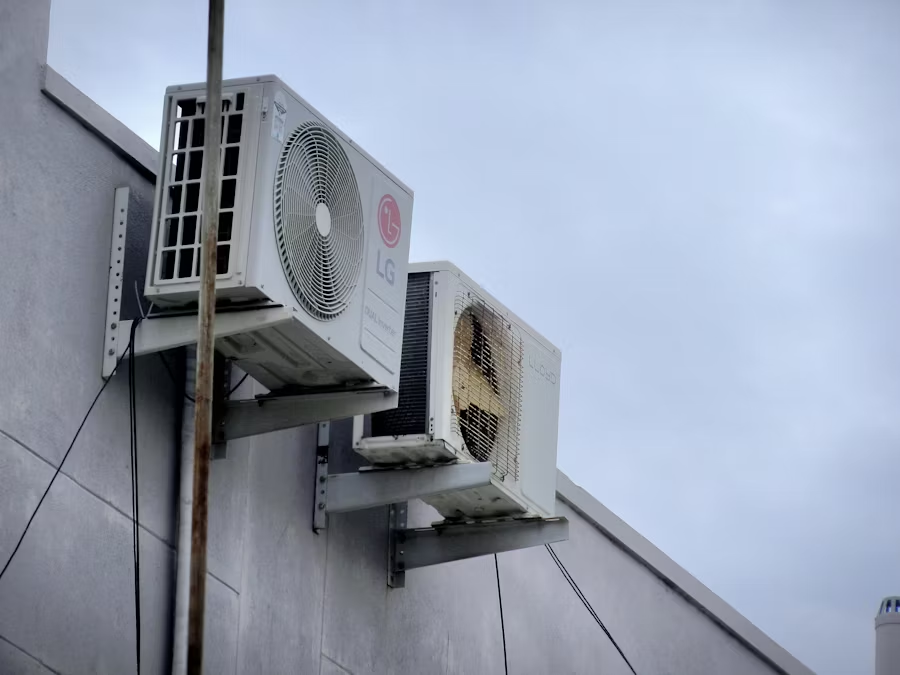
aircon units outside of a building

Aircon is necessary in Singapore, where the tropical climate makes high temperatures and humidity a part of everyday life. With various cooling options available, homeowners often wonder whether a split aircon is still relevant, especially when new technologies and models are introduced regularly. We’ll explore the advantages and disadvantages of split aircon systems, their relevance in modern Singaporean homes, and whether they remain a good option for cooling your space.

What Is a Split Aircon System?

A split aircon system consists of two main parts: an indoor unit and an outdoor unit. The indoor unit is installed inside the room and distributes cooled air, while the outdoor unit is responsible for releasing the heat absorbed by the system. This type of aircon is typically preferred for its efficiency and flexibility.

There are also variations of the split system, including multi-split systems where multiple indoor units are connected to a single outdoor unit, and ductless split systems, which provide even more flexibility in terms of installation.

How Does a Split Aircon Work?

Split aircon works by using refrigerant to absorb heat from the indoor air. The indoor unit blows air over the evaporator coil, where the refrigerant absorbs the heat, then sends the cool air into the room. The refrigerant is pumped to the outdoor unit, releasing the absorbed heat into the atmosphere via the condenser.

Unlike traditional central aircon systems, this system is highly effective because it doesn’t require ducts. The design allows for more targeted cooling, which can be more energy-efficient in smaller spaces.

Advantages of Split Aircon Systems

While the technology behind air conditioners continues to evolve, split aircon systems still offer several benefits that make them a great choice for homeowners in Singapore.

1. Energy Efficiency

Split aircon systems are known for their energy efficiency compared to window units or traditional central air systems. Since they do not require ducts, which can lose cool air, the energy used to cool your space is more efficiently distributed. Many modern split aircon units also come with energy-saving modes and inverter technology, which adjusts the compressor speed to maintain a consistent temperature, reducing energy consumption.

2. Flexibility in Installation

One of the major advantages of a split aircon system is the flexibility of installation. The indoor unit can be mounted on a wall, ceiling, or floor, making it ideal for residential homes and commercial spaces. In addition, multiple indoor units can be connected to a single outdoor unit, allowing you to cool different rooms or areas without needing separate systems.

3. Quiet Operation

Unlike older window units, split aircon systems are quieter because the noisy compressor is outside the home, away from the living area. This makes split aircons an ideal choice for bedrooms or other spaces where noise can be an issue. If you’re sensitive to noise, the quiet operation of a divided aircon can contribute significantly to comfort.

4. Improved Air Quality

Split aircons typically have advanced filters that improve indoor air quality. These filters trap dust, allergens, and other contaminants, which is especially helpful for people with allergies or respiratory issues. Many models also include a dehumidifying function, which helps remove moisture from the air, preventing mold and mildew growth.

5. Aesthetic Appeal

Since the indoor unit is sleek and compact, it can blend seamlessly with your interior design. This makes it a popular choice for homeowners who prioritize function and aesthetics. The outdoor unit, though visible, can be placed discreetly outside, making it less obtrusive than traditional window aircons.

Disadvantages of Split Aircon Systems

Despite their many advantages, split aircon systems have some drawbacks that homeowners should consider before installation.

1. Higher Initial Cost

The upfront cost of purchasing and installing a split aircon system is higher than that of other aircon systems, such as window units. While the energy efficiency and long-term savings can compensate for the higher initial investment, the cost may deter some homeowners.

2. Installation Complexity

Installing a split aircon system requires professional installation, as it involves mounting the indoor unit, connecting it to the outdoor unit, and ensuring proper refrigerant levels. This process can take time, and the installation costs can add to the overall expense of the system. Additionally, proper maintenance is required to keep the system running efficiently.

3. Limited Cooling Capacity for Larger Areas

Split aircons are effective in smaller to medium-sized rooms but may not be sufficient for cooling larger spaces or open-plan living areas. Multiple indoor units might be required for bigger homes or large rooms, which can increase both installation costs and energy consumption.

4. Maintenance and Servicing Requirements

While split aircon systems are relatively low-maintenance, they require regular servicing to ensure optimal performance. Filters must be cleaned or replaced periodically, and the refrigerant levels should be checked. Failure to maintain the unit can lead to inefficiency, higher energy bills, or even system breakdowns.

Is Split Aircon Still Relevant in Singapore?

Given the benefits and drawbacks, the question arises: Is split aircon still relevant in modern Singaporean homes?

The short answer is yes. Split aircon systems continue to be a popular choice for homeowners in Singapore due to their energy efficiency, flexibility, and quiet operation. They are particularly well-suited to HDB flats and condominiums where space is limited, and there is a need for effective, localized cooling. The aesthetic appeal and sleek design of split systems also complement the modern, stylish interiors of Singapore’s urban homes.

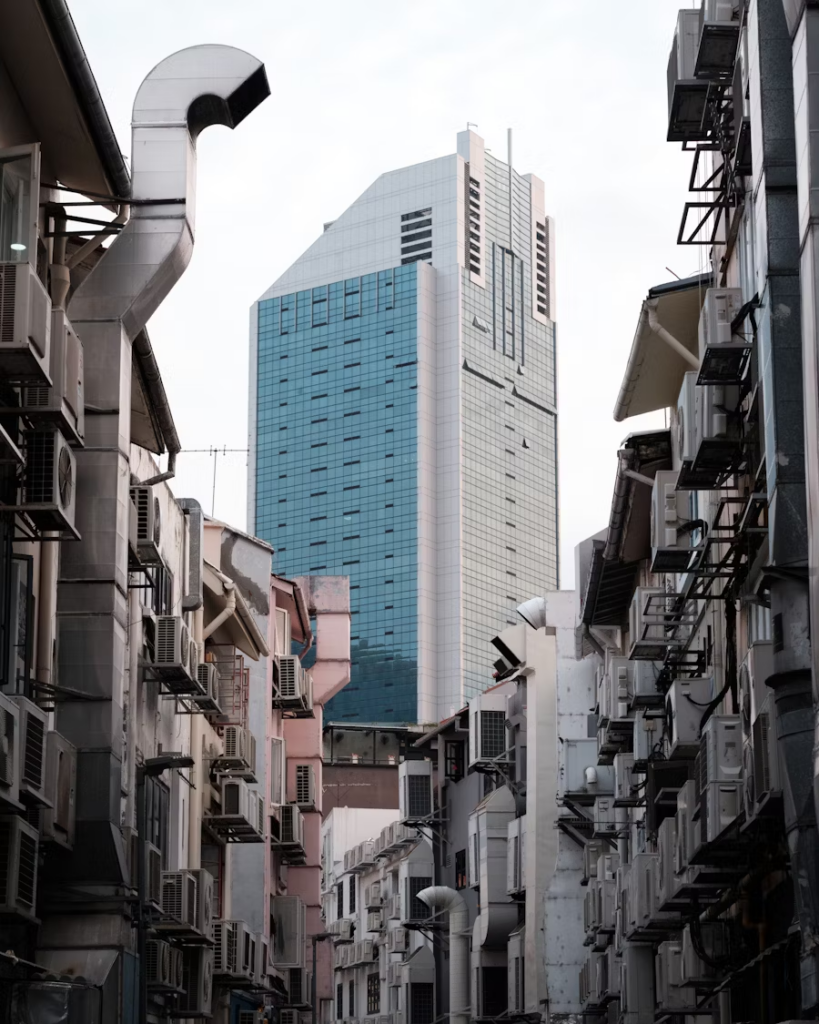
aircon units perched on a stretch of shophouses in an alleyway in Singapore

Why Choose Split Aircon in Singapore?

1. Ideal for the Tropical Climate

Singapore’s hot and humid climate means aircon is often essential for comfort. Split aircon systems provide an efficient and effective solution to combat the heat, offering consistent cooling in homes, offices, and shops.

2. Modern and Energy-Efficient

Many modern aircon models in Singapore come with inverter technology, which helps reduce energy consumption while maintaining cooling efficiency. This makes split aircon systems more energy-efficient than traditional window units, saving homeowners money in the long run on their electricity bills.

3. Perfect for Compact Spaces

Singapore’s real estate market often includes smaller apartments or HDB flats, making the compact design of split aircon systems ideal for homeowners with limited space. These systems don’t take up much room and can be installed discreetly, preserving the home’s aesthetics.

When Should You Consider a Split Aircon?

Split aircon systems are ideal for homeowners who:

  • Have small to medium-sized rooms in need of localized cooling.
  • Want a system that is energy-efficient and quiet.
  • Prefer a sleek, aesthetically pleasing aircon solution.
  • Don’t mind a higher initial installation cost in exchange for long-term energy savings.

If you have a larger home or need to cool multiple rooms, consider a multi-split system, which can accommodate more indoor units while still being powered by a single outdoor unit.

Final Thoughts

Ultimately, split aircon systems remain a relevant and popular choice for homeowners in Singapore. With their efficient cooling, quiet operation, and flexibility, they remain a reliable solution for managing indoor temperatures in the tropical heat. While the upfront cost may be higher than other cooling systems, their long-term energy savings and overall comfort make them a worthwhile investment for many homeowners.

If you’re considering a split aircon system for your home, evaluate the size of your space, your cooling needs, and your budget. With proper installation and regular maintenance, a split aircon can provide years of efficient, reliable cooling for your home.

Is Your Home Aircon Smelly – DIY & How to Fix?

water leaking from aircon

While aircon units are designed to provide cool, fresh air, they can sometimes emit foul smells, which can affect the air quality in your home. Unpleasant odors may indicate an underlying issue, such as mold, bacteria, or electrical problems.

Here’s what to do if your aircon is giving off bad smells.

1. Musty or Moldy Odors

What It Means:
A musty smell coming from your aircon typically indicates the growth of mold or mildew, especially on the evaporator coils or air ducts. This problem is common in humid climates like Singapore. If moisture is trapped in the system, it can lead to mold and bacteria buildup.

What to Do:

  • Turn off the aircon to stop circulating mold spores throughout the home.
  • Clean the air filters and inspect the ducts for visible mold. You can use a mixture of vinegar and water to clean the affected areas.
  • If the mold problem is extensive, consider calling a professional to perform a thorough cleaning of your system.

2. Burning Smell

What It Means:
A burning smell from your aircon should be taken seriously. This smell is often caused by overheating components, such as the wiring or motor, and can indicate an electrical issue.

What to Do:

  • Turn off the aircon immediately and unplug it.
  • Check the circuit breaker to ensure that it has not tripped due to an electrical fault.

3. Sewage-Like or Rotten Egg Smell

What It Means:
If your aircon smells like sewage or rotten eggs, it is typically due to a clogged drain line or stagnant water inside the system. The condensation from the aircon unit drains through a pipe, and if the pipe is blocked, water can accumulate, leading to unpleasant odors. This can also happen if burning dust accumulates over time.

What to Do:

  • Check the drainage line for blockages, and clear it if necessary. You can flush the line with warm water or use a wet-dry vacuum to remove any clogs.
  • Clean the drain pan and remove any stagnant water.
aircon tech

Why You Should Call a Professional for Aircon Issues

Aircon systems are complex and require specific expertise to repair safely. While some issues can be fixed with basic maintenance, it is always better to consult a professional for more complex issues. Here’s why:

1. Expertise in Diagnosing Issues

Aircon problems can range from simple fixes to more complicated issues. A professional technician has the training and experience to diagnose problems accurately and efficiently, ensuring your unit gets the right repair.

2. Safety Concerns

Handling refrigerants, electrical parts, and other components can be hazardous without the proper training. A professional technician has the knowledge to handle these elements safely and avoid any accidents.

3. Warranty Protection

If your aircon is under warranty, attempting DIY repairs can void the warranty. Hiring a professional ensures that the warranty remains intact while the issue is addressed properly.

4. Long-Term Savings

Though professional repairs may seem costly initially, they often save money in the long run by preventing further damage and ensuring that your aircon runs efficiently. Regular professional maintenance also helps extend the lifespan of the unit and prevents costly repairs in the future.

Final Thoughts

Aircons are an investment that should last for many years, but when they begin emitting strange noises or foul smells, it’s essential to act quickly to address the issue. While some minor problems can be handled with DIY repairs, serious issues like refrigerant leaks, electrical faults, or mold buildup require the expertise of a professional technician.

Recognizing the signs early and understanding when replacement is necessary will ensure your home remains comfortable and energy-efficient. Regular maintenance and timely repairs not only ensure your aircon continues to run smoothly but also improve the air quality in your home.

If your aircon is making strange noises or emitting unpleasant smells, don’t hesitate to call in a professional. With expert help, you can restore your home’s cooling system to its optimal state and continue enjoying a comfortable environment, no matter the weather outside.

Is Your Home Aircon Too Noisy – How To Fix?

air conditioner installed in the living room

Aircon units are crucial in maintaining a comfortable living space, especially in hot and humid climates like Singapore. However, when your aircon starts producing strange noises, it can be a cause for concern. These unusual sounds can indicate a malfunction that requires immediate attention. If you hear loud or unfamiliar sounds coming from your aircon, it is important to act quickly to prevent further damage and maintain its efficiency.

Here’s what you need to know and what you should do if your aircon is making strange noises.

Strange Noises from Your Aircon

It’s normal for an aircon to make a faint hum when running, but loud or unusual noises should not be ignored. These sounds often point to internal issues that may worsen if not addressed.

1. Banging or Clanking Noises

What It Means: Banging or clanking sounds often indicate that something has come loose inside the aircon unit. This could be a loose fan blade, compressor issues, or disconnected parts. These noises are often loud and can sometimes be heard when the aircon is starting up or shutting down.

What to Do:

  • Turn off the aircon immediately to prevent further damage.
  • A technician will need to inspect and tighten the parts if the issue is related to a loose part, like a fan or motor.

2. Hissing or Whistling Sounds

What It Means: A hissing or whistling sound often suggests a refrigerant leak or a blocked air duct. Moisture on the coils can also cause the hissing sound. A refrigerant leak is a particularly serious issue that can affect your unit’s cooling performance.

What to Do:

  • Stop using the aircon to prevent further refrigerant loss.
  • Call a professional technician who can safely locate and repair the refrigerant leak.

3. Grinding Noises

What It Means: Grinding noises usually indicate that the fan motor or another moving part inside the unit is malfunctioning. This could be due to dirt, debris buildup, or the wear and tear of moving parts.

What to Do:

  • Turn off the unit immediately and inspect the fan for debris.
  • Call a technician to inspect the motor or other moving parts for damage if the grinding continues.
aircon is noisy

Why You Should Call a Professional for Aircon Issues

While some basic maintenance tasks homeowners can do themselves, aircons are complex systems requiring specialized knowledge to repair safely. Here are a few reasons why it’s always better to call a professional:

1. Expertise in Diagnosing Issues

Aircon systems can have various issues, from electrical faults to refrigerant leaks. Professional technicians are trained to identify problems that might not be immediately obvious, saving you time and hassle. They also know how to fix problems effectively without causing further damage.

2. Safety Concerns

Handling electrical components or refrigerants can be dangerous without proper training. A professional technician will ensure that repairs are done safely, preventing potential harm to you and your home.

3. Warranty Protection

If your aircon is still under warranty, attempting DIY repairs can void the warranty. Calling a certified professional ensures that the warranty remains intact while resolving the issue quickly.

4. Long-Term Savings

Though professional repairs may seem costly upfront, they often save you money in the long run by preventing more expensive issues from developing. Regular servicing also helps to keep your aircon running at peak efficiency, reducing energy consumption and lowering utility bills.

Final Thoughts

Aircons are an investment that should last for many years, but when they begin emitting strange noises or foul smells, it’s essential to act quickly to address the issue. While some minor problems can be handled with DIY repairs, serious issues like refrigerant leaks, electrical faults, or mold buildup require the expertise of a professional technician.

Recognizing the signs early and understanding when replacement is necessary will ensure your home remains comfortable and energy-efficient. Regular maintenance and timely repairs not only ensure your aircon continues to run smoothly but also improve the air quality in your home.

If your aircon is making strange noises or emitting unpleasant smells, don’t hesitate to call in a professional. With expert help, you can restore your home’s cooling system to its optimal state and continue enjoying a comfortable environment, no matter the weather outside.

10 Ways to Know When It’s Time to Replace Your Aircon

an apartment flat full of aircon

Aircon units are essential for keeping homes cool and comfortable, especially in Singapore’s hot and humid climate. However, like all appliances, air conditioners have a limited lifespan. If you’ve noticed that your aircon is no longer performing efficiently or requires frequent repairs, it might be time to consider replacing it.

These warning signs can help you assess whether investing in a new unit or continuing to repair your existing one is worth it.

1. Your Aircon is Over 10 Years Old

The lifespan of an aircon typically ranges between 10 to 15 years. If your aircon is over 10 years old, it might show wear and tear. Older models may not function as efficiently as newer ones, leading to higher energy consumption and frequent breakdowns.

What You Should Know:

  • Over time, aircon loses its efficiency due to wear on internal parts, leading to increased energy consumption and reduced cooling performance.
  • Older units may use outdated technology that is less energy-efficient than modern systems, leading to higher electricity bills.

2. The Aircon Is Struggling to Cool the Room

One of the clearest signs that your air conditioner may need to be replaced is when it struggles to cool the room, even when set to the desired temperature. If your unit is constantly running but still unable to maintain a comfortable temperature, it may indicate that the system can no longer function properly.

What You Should Know:

  • Issues like low refrigerant levels, a broken compressor, or general wear on the system could cause this.
  • It may also indicate that your unit is no longer powerful enough to cool the size of your room efficiently.
image of an electricity meter

3. Your Energy Bills Have Skyrocketed

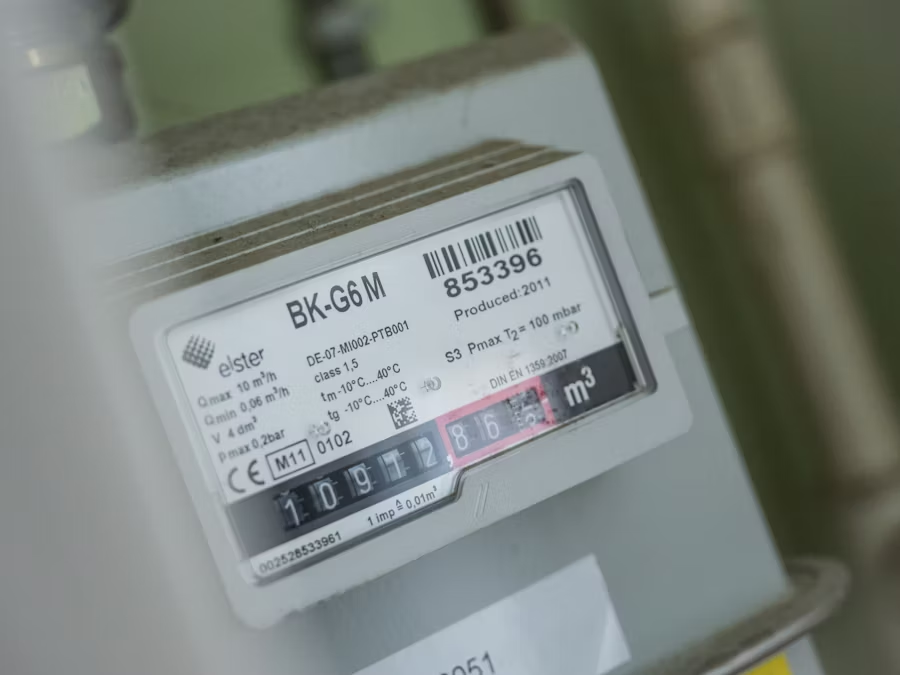
A sudden spike in energy bills is one of the most noticeable signs that your air conditioner is inefficient and needs replacing. If you notice your cooling costs increasing despite consistent usage, this could indicate that your air conditioner is working harder than necessary to cool your home.

What You Should Know:

  • Older units often lose efficiency, meaning they have to run longer to achieve the same level of cooling. This results in higher energy consumption.
  • Aircon with outdated or inefficient technology consumes more power, increasing monthly utility bills.

4. Frequent Breakdowns and Repairs

If your aircon frequently breaks down and requires repairs, consider a replacement. Constant maintenance can quickly add up, and an unreliable system will cause you more stress in the long run.

What You Should Know:

  • Aircons can deteriorate after several years of use, leading to more frequent breakdowns and repairs.
  • If repairing your aircon is nearing the cost of a new unit, replace it rather than continue to patch it up.

5. Strange Noises or Foul Smells

Aircons are generally quite quiet during operation. If your aircon makes strange noises or emits unpleasant smells, it’s a sign that something is wrong. While some issues can be repaired, these problems can sometimes indicate more significant damage.

What You Should Know:

  • Strange noises, such as grinding, rattling, or hissing, may point to issues with the compressor, fan, or motor, which may require costly repairs.
  • Foul smells, such as a musty or burning odor, could be caused by mold growth, dust build-up, or electrical issues within the system.

6. Poor Air Quality

Aircons not only cool your home but also help to filter the air. If your aircon is no longer improving air quality, or if you notice that the air in your home feels stuffy or humid, it may be a sign that the unit is no longer functioning optimally.

What You Should Know:

  • Over time, filters in air conditioners can become clogged, and debris and dust can build up inside the unit. This can affect the air quality in your home, especially if the filters are not changed regularly.
  • A malfunctioning air conditioner may fail to dehumidify the air properly, leading to increased moisture in your home and mold or mildew growth.

7. You’re Constantly Using the Aircon in High Settings

If you’re constantly cranking up the aircon to full blast, it may indicate your aircon is not operating efficiently. An inefficient aircon will require higher settings to maintain the desired temperature, which can result in higher electricity bills.

What You Should Know:

  • Aircons past their prime tend to lose their cooling power and may struggle to maintain consistent temperatures in your home.
  • This can also lead to uncomfortable temperature fluctuations, where some rooms are too hot, and others are too cold.
water leaking from a pipe

8. The Unit is Leaking Water

Several factors, such as a clogged drain line, a broken pump, or a frozen evaporator coil, can cause a leaking aircon. If your unit consistently leaks water, it’s important to address it immediately to avoid water damage.

What You Should Know:

  • While small leaks can often be fixed with maintenance, persistent leaks could indicate more significant problems with the system’s internal components.
  • A professional technician can repair minor issues, but replacing the air conditioner is more cost-effective if the damage is too extensive.

9. Inconsistent Cooling Across Different Rooms

Inconsistent cooling is a common issue in older aircons. If some rooms are cooler than others or the aircon seems to cool specific areas effectively while neglecting others, this could signal an issue with the system’s performance.

What You Should Know:

  • Blocked ducts, a dirty filter, or an inefficient compressor can cause uneven cooling.
  • It could also be a sign that the aircon is not the right size for the space, meaning it might be too small to handle the cooling needs of the entire home.

10. The Aircon Is No Longer Under Warranty

If your aircon is no longer under warranty, it may cost more to repair than to replace. Repair costs can quickly escalate after the warranty period ends, especially if the unit requires major repairs or parts replacement.

What You Should Know:

  • Once the warranty expires, repair parts and labour may become significantly more expensive.
  • Older units may also become harder to repair as replacement parts become scarce.

Final Thoughts

Knowing when to replace your aircon can save you time, money, and frustration. If you notice signs like constant breakdowns, poor cooling performance, or increased energy costs, it might be time to start looking for a replacement. While some repairs may fix minor issues, continued inefficiency or damage may make replacing your aircon the most cost-effective and practical solution.

Recognizing the signs early and understanding when replacement is necessary will ensure your home remains comfortable and energy-efficient. Don’t wait for a complete breakdown — plan to enjoy a cool, reliable home throughout the year.

Chemical Wash vs Chemical Overhaul — Which Is The Best?

aircon chemical wash vs chemical overhaul

Regular servicing is essential when it comes to maintaining your aircon’s performance and efficiency. Over time, dirt, dust, and other contaminants can build up in your aircon, leading to reduced performance, higher energy consumption, and even system failures. A chemical wash or overhaul is one of the most important services for cleaning and maintaining your aircon. While both methods involve cleaning the internal components of your aircon, they differ significantly in terms of the level of cleaning, the processes involved, and the cost.

Today, we’ll dive into the differences between a chemical wash and a chemical overhaul, exploring the benefits, considerations, and when each method best suits your aircon system.

What is a Chemical Wash?

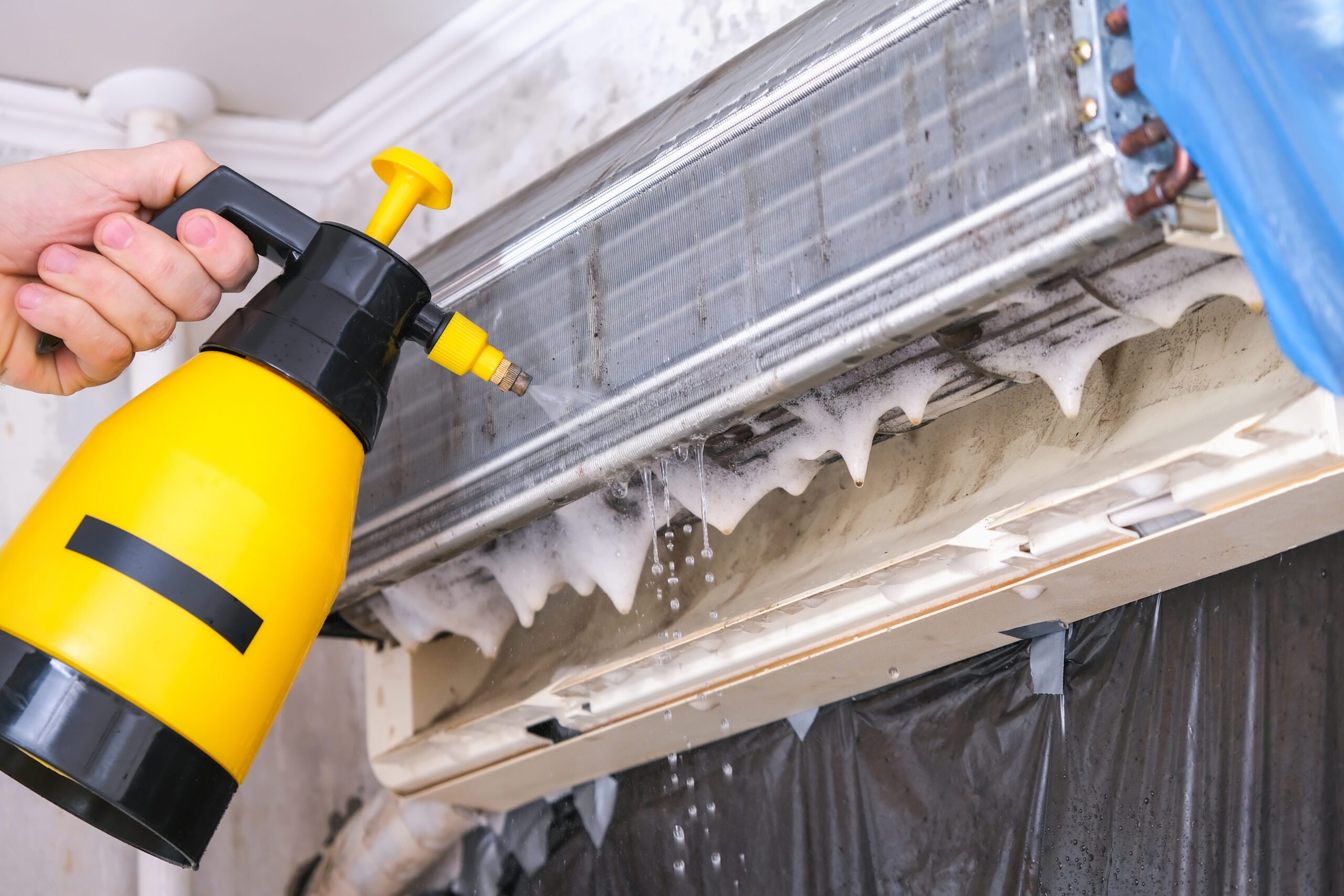
A chemical wash is a standard cleaning service for air conditioners that focuses on removing dirt, dust, and other debris from the external and internal components of the system. This process involves using a special cleaning solution or chemical detergent spray onto the evaporator coils, condenser coils, and other accessible parts of the unit.

The main goal of a chemical wash is to restore the aircon’s efficiency by removing the contaminants that may have accumulated over time. Over time, dust, dirt, and bacteria can clog the filters, coils, and drain pipes, reducing airflow and hindering the system’s performance. The chemicals used during a chemical wash break down these blockages, making it easier to clean the system without causing damage to the internal components.

What Does a Chemical Wash Involve?

Evaporator Coil CleaningThe evaporator coils inside the aircon absorb heat. When these coils become dirty, they can reduce the efficiency of the aircon. A chemical wash ensures the coils are cleaned thoroughly.
Condenser Coil CleaningThe condenser coils help release heat from the aircon. Cleaning them ensures proper heat exchange and helps maintain cooling performance.
Drain CleaningA clogged drainage system can lead to water buildup and potential damage to the aircon unit. Chemical washes often include cleaning the drain to prevent blockages.
Filter CleaningThe filters inside the unit are cleaned to remove dirt and debris that can impede airflow and reduce cooling efficiency.

Benefits of a Chemical Wash

Improved EfficiencyCleaning the coils and filters improves airflow, helping the aircon operate more efficiently.
Cost-EffectiveA chemical wash is less expensive than a chemical overhaul, making it an ideal option for routine maintenance.
Preventative MaintenanceRegular chemical washes can prevent more serious issues from developing, potentially extending the aircon unit’s life.
Quick ServiceA chemical wash is usually faster, taking only a few hours to complete.
  • Regular Maintenance: A chemical wash is suitable for periodic maintenance, typically every 6 to 12 months, to keep the system running smoothly.
  • Minor Performance Issues: If your aircon is still cooling but seems less efficient or produces an unpleasant odor, a chemical wash can often restore its performance.

What is a Chemical Overhaul?

A chemical overhaul, also known as a chemical cleaning or deep cleaning service, is a more intensive cleaning procedure than a chemical wash. It involves a more detailed and thorough approach to cleaning the internal components of the aircon system, especially when the unit has not been serviced for a while or is facing significant performance issues.

During a chemical overhaul, the technician disassembles the aircon unit to reach components that may not be accessible during a regular chemical wash. The cleaning process involves using stronger chemicals to break down heavy dirt, grime, mold, and bacteria accumulated over time. This service is often more comprehensive and can include cleaning additional components that may not be included in a regular chemical wash.

What Does a Chemical Overhaul Involve?

Complete System DisassemblyIn a chemical overhaul, the technician will disassemble the air conditioner to access the internal components, ensuring a deep clean.
Chemical Cleaning of CoilsBoth the evaporator and condenser coils are deeply cleaned using more potent chemical solutions to remove stubborn dirt, rust, and mold.
Cleaning of Fan and BlowerThe fan blades and blower motor are cleaned thoroughly, which helps to restore proper airflow and reduce noise.
Cleaning of Heat ExchangerThe heat exchanger is cleaned to remove any accumulated debris affecting the system’s ability to absorb or release heat.
Cleaning of DuctworkIn some cases, a chemical overhaul may involve cleaning the ductwork to remove accumulated dirt and dust, improving indoor air quality.
Refrigerant RechargeIf the refrigerant levels are low due to leaks, a chemical overhaul may include recharging the refrigerant to ensure proper cooling performance.

Benefits of a Chemical Overhaul

Comprehensive CleaningA chemical overhaul provides a deeper, more thorough cleaning of the entire system, addressing hidden issues that a chemical wash may not resolve.
Restored PerformanceThis service can dramatically improve the cooling capacity of your aircon, especially if it has been underperforming for some time.
Improved Indoor Air QualityCleaning components like the blower and ductwork helps improve the air quality in your home by removing accumulated dust, mold, and bacteria.
Longer System LifespanBy thoroughly cleaning and maintaining the system, a chemical overhaul can extend the lifespan of your aircon, preventing costly breakdowns.
  • Severe Performance Issues: If your aircon is no longer cooling effectively, has a musty smell, or makes strange noises, a chemical overhaul may be necessary to restore its function.
  • Long Period Between Services: If your aircon hasn’t been serviced in a long time, a chemical overhaul can address any buildup and restore the system to peak performance.
  • Mold or Bacteria Problems: A chemical overhaul is ideal for removing mold, bacteria, or other contaminants that may have accumulated in the system.
aircon chemical wash
Chemical being applied to the aircon aircon unit

Which Should You Choose?

When deciding between a chemical wash and a chemical overhaul, it’s essential to consider the current condition of your aircon unit and the issues you’re facing.

Choose a Chemical Wash if:

  • Your aircon has been well-maintained but needs a regular refresh.
  • You’re experiencing minor performance issues like decreased cooling or a strange odor.
  • You want a cost-effective solution for basic maintenance.

Choose a Chemical Overhaul if:

  • Your aircon is significantly underperforming or making strange noises.
  • You haven’t serviced your unit in a long time, and it has accumulated substantial dirt and debris.
  • You’re dealing with mold or bacterial issues requiring more intensive cleaning.

Both services offer substantial benefits, but they cater to different needs. A chemical wash may suffice if your aircon is relatively new or has been regularly maintained. However, if your unit is facing more severe issues or hasn’t been cleaned in a while, a chemical overhaul is the more thorough and effective option.

FAQs

What are the benefits of opting for a chemical overhaul for my aircon system?

A chemical overhaul provides a thorough cleaning that can restore system performance, improve indoor air quality, extend the lifespan of the unit, and address hidden issues by disassembling and cleaning internal components deeply.

In what situations is a chemical overhaul necessary?

A chemical overhaul is necessary when your aircon has severe performance problems, such as poor cooling, strange noises, mold or bacterial buildup, or if it has not been serviced for a long time and accumulated substantial dirt and debris.

What does a chemical wash involve in terms of cleaning process?

A chemical wash involves cleaning the evaporator and condenser coils, drain pipes, and filters using special chemical solutions to remove dirt, dust, bacteria, and other contaminants without disassembling the unit.

When should I opt for a chemical wash over an overhaul?

You should choose a chemical wash if your aircon has been well-maintained, is experiencing minor performance issues like decreased cooling or odor, and needs a quick, cost-effective cleaning to maintain efficiency.

What is the main difference between a chemical wash and a chemical overhaul for aircon maintenance?

The main difference is that a chemical wash is a routine cleaning focusing on external and accessible internal components to remove dirt and debris, while a chemical overhaul is a more intensive process involving disassembly and deep cleaning of internal parts to address significant buildup and performance issues.