
The Best Times To Clean Each Room In Your Home

house

Keeping your home clean can feel like a never-ending task, especially if you need clarification on how often each room needs attention. From tackling dust in the living room to disinfecting the bathroom, understanding how frequently to clean each area can help you maintain a clean, organized, and healthy home.

Here’s a comprehensive guide on how often you should clean each room and some tips to make the process more manageable.
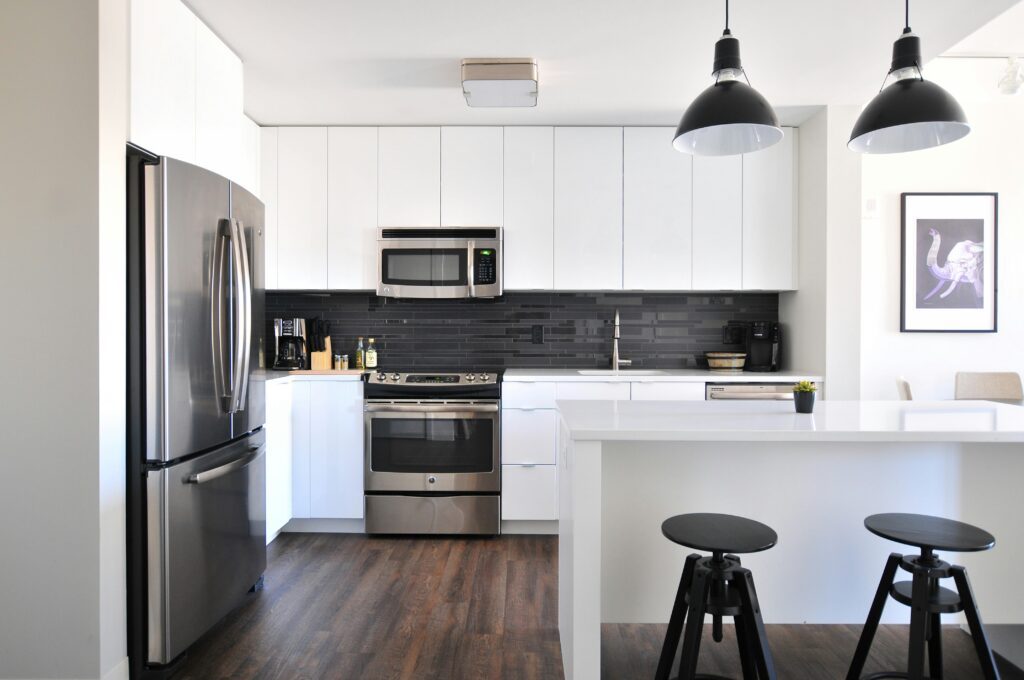
image of a kitchen

1. Kitchen

The kitchen is one of the busiest rooms in any home, so it’s essential to keep it clean and sanitized regularly. A daily cleaning routine will prevent bacteria and grime from building up, especially in areas where food is prepared.

DailyWipe down countertops, wash dishes, and clean up spills. Regularly wiping the stovetop after cooking and emptying the garbage daily will help prevent odors.
WeeklyClean out the refrigerator, sanitize surfaces, and dispose of expired items. Wipe down cabinets, clean the microwave, and mop the floors.
MonthlyDeep clean the oven and defrost the freezer. Consider wiping down the cabinet interiors and organizing your pantry to keep ingredients fresh.

Keeping a consistent cleaning schedule for your kitchen can reduce bacteria and ensure food safety for you and your family.
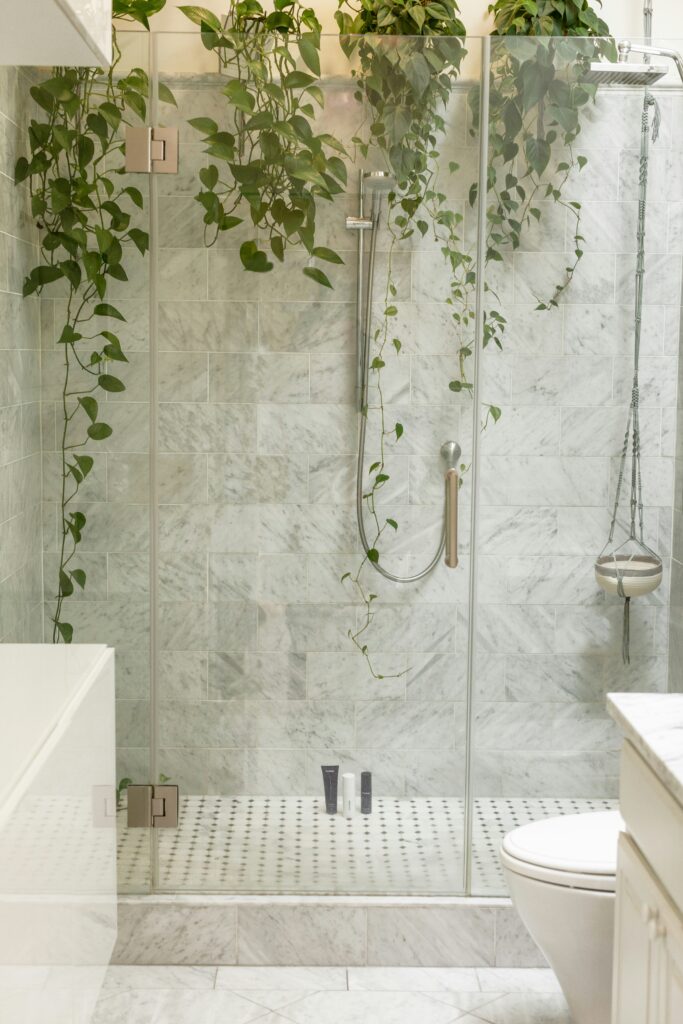
image of a bathroom

2. Bathroom

Due to the moisture and constant usage, bathrooms can quickly become breeding grounds for bacteria and mildew. Regular cleaning is essential to maintain hygiene and keep the room fresh and pleasant.

DailyWipe down the sink, counters, and faucet. A squeegee on shower doors and walls is also a good idea to prevent water spots and mildew buildup.
WeeklyScrub the toilet, shower, and bathtub, using a disinfectant to remove bacteria. Clean mirrors, wash bath mats, and mop the floor to maintain a hygienic environment.
MonthlyDeep clean grout and disinfect any hard-to-reach areas. Check for mold and mildew, and scrub as necessary to prevent buildup.

Consistent bathroom cleaning routines help prevent mold and maintain a sanitary space for your family.

image of a bedroom

3. Bedroom

The bedroom is a personal sanctuary; keeping it clean can improve sleep and well-being. Dust, allergens, and dirt can accumulate over time, so regular upkeep is essential.

WeeklyChange and wash bed linens, dust surfaces, and vacuum or sweep floors to remove dust and dirt. Dusting areas like bedside tables, lamps, and window sills can improve air quality.
MonthlyClean mirrors, wash curtains, and vacuum under the bed and other furniture. Wipe down baseboards and doors to ensure a fresh and clean environment.

Caring for your bedroom will help you enjoy a clean, comfortable space to relax and unwind.

image of a living room

4. Living Room

As a shared space where families gather, the living room needs regular cleaning to maintain a welcoming atmosphere. Dust, dirt, and clutter can accumulate quickly, especially in homes with pets or kids.

DailyTidy up and put items back in their place. Wipe down frequently touched surfaces, such as remote controls, doorknobs, and coffee tables.
WeeklyDust all surfaces, including shelves, electronics, and furniture. Vacuum carpets and mop hardwood floors to remove dirt and pet hair.
MonthlyDeep clean upholstery and wash throw blankets and cushion covers. Dust and clean any ceiling fans or light fixtures. Organizing bookshelves and cleaning windows can also refresh the space’s look.

Maintaining a clean living room is critical to creating an inviting space for family gatherings and relaxation.

image of a home office

5. Home Office

A cluttered or dusty office space can distract you and lower productivity. Regular cleaning will help you stay organized and focused, especially if you’re working from home.

WeeklyDust all surfaces, especially around electronics like computers and monitors. Vacuum or sweep floors, and organize paperwork to keep clutter at bay.
MonthlyWipe down computer screens, keyboards, and other electronics to prevent dust buildup. Disinfect high-touch items like keyboards and light switches to reduce germ exposure.

A clean office is essential for a productive work environment, free of dust and clutter.
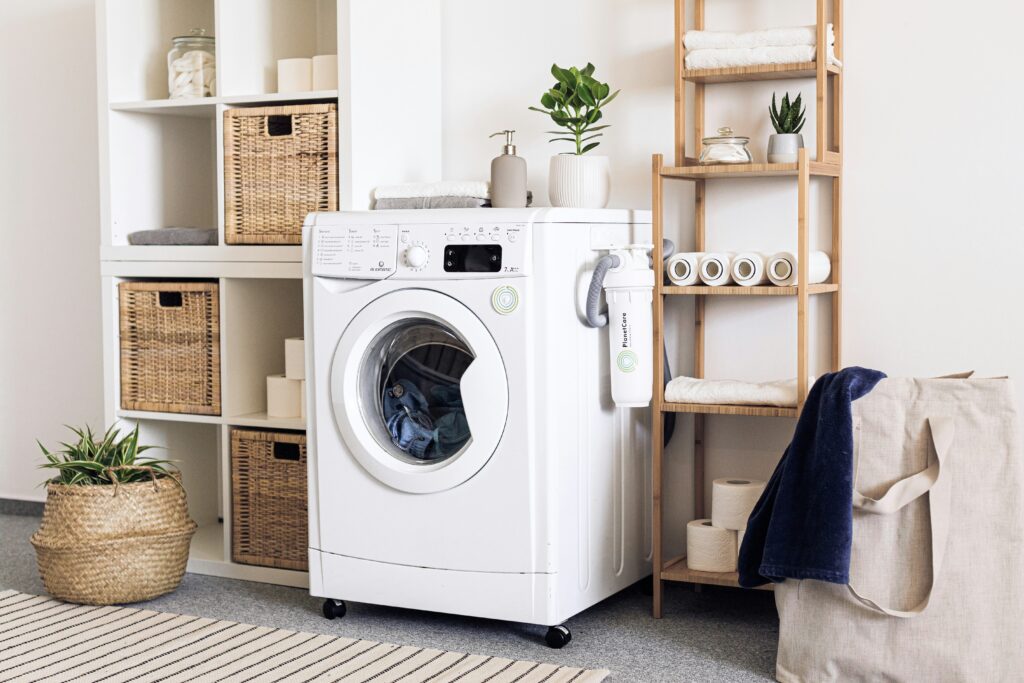
6. Laundry Room

The laundry room can quickly become a mess due to the constant loading and unloading of clothes. Keeping it clean can help prevent mildew and improve the efficiency of your appliances.

WeeklyWipe down the washer and dryer and empty the lint trap to prevent buildup. Sweep or vacuum the floor to remove any debris.
MonthlyClean the washer drum by running an empty cycle with vinegar or a washer cleaner. Wipe down surfaces and check for any signs of mold or mildew, especially if the room is humid.

Keeping your laundry room clean makes it more pleasant to use and can also help your machines last longer.

image of a dining room

7. Dining Room

Keeping your dining room clean and ready for family meals or entertaining guests is essential if you use it regularly. Dust and food particles can accumulate over time, making weekly cleaning a good idea.

WeeklyDust all surfaces, wipe down the table and chairs, and vacuum or sweep the floor to remove crumbs.
MonthlyPolish any wooden surfaces and clean light fixtures to maintain a welcoming environment.

Regular maintenance in the dining room keeps it inviting and ready for gatherings.

image of hallway

8. Entryway and Hallways

Entryways and hallways are high-traffic areas that often get overlooked during cleaning. However, they can accumulate dust, dirt, and clutter, impacting the overall cleanliness of your home.

WeeklySweep or vacuum floors, wipe down surfaces, and put away any clutter. Clean doormats and shoe racks to prevent dirt from spreading.
MonthlyWipe down walls and doors to remove smudges and dust light fixtures. Organize any coat or shoe storage areas to keep the space tidy.

Keeping these areas clean can improve the first impression of your home and reduce dirt tracked inside.

Final Thoughts

Maintaining a clean home doesn’t have to be overwhelming, especially with a consistent routine. By creating a regular cleaning schedule and breaking tasks into daily, weekly, and monthly routines, you can keep each room in your house sparkling without too much hassle. Not only does a clean home improve aesthetics, but it also promotes better health and well-being.

However, if your schedule is tight or cleaning feels daunting, consider hiring a part-time helper to tackle more extensive cleaning tasks. A part-time cleaner can help you stay on top of those deep-cleaning jobs, freeing up your time and providing a spotless, well-maintained space for you and your family to enjoy.

The Ultimate Guide To Cleaning For Busy Singaporeans

busy walkway of Singapore

Living in a bustling city like Singapore, where work, social engagements, and family commitments dominate daily life, can make finding time for chores like cleaning hard. However, a tidy and clean home is essential for mental clarity, productivity, and overall well-being. For busy Singaporeans juggling work, family, and social activities, finding an efficient way to keep your home spotless can be challenging.

Fear not, this ultimate guide is designed to provide practical tips, time-saving cleaning hacks, and solutions, such as hiring a part-time cleaner, to help you maintain a clean home without sacrificing your personal or professional life.

1. Create a Cleaning Schedule

One of the best ways to stay on top of housework is to break cleaning tasks into smaller, manageable chunks throughout the week. Instead of doing all the cleaning in one go, try to allocate a specific day for different areas or tasks, such as:

MondayVacuum and mop floors.
WednesdayClean the kitchen counters, sink, and stovetop.
FridayTidy up the living room and dust surfaces.
SundayBathroom deep clean.

A structured cleaning schedule ensures that your home is consistently maintained and prevents the buildup of dirt and clutter.

2. Declutter Your Space Regularly

Keeping clutter at bay is one key to maintaining a clean home with minimal effort. Clutter often leads to dust accumulation, making it harder to clean surfaces. Regular decluttering is essential for busy Singaporeans, whether it’s your living room, kitchen countertops, or bedroom.

Consider decluttering in 15-minute intervals every day. Here are a few tips:

Toss out or donate items you haven’t used in over a year.
Invest in organizers and storage solutions for toys, kitchen items, and paperwork.
Keep frequently used items in easily accessible spots and store seasonal or less-used items in cabinets.

Decluttering frequently minimizes the cleaning you must do and helps maintain a sense of order in your home.

image of a cleaning spray

3. Use Multipurpose Cleaning Products

Instead of juggling multiple cleaning products, simplify your cleaning routine with versatile, multipurpose cleaners that can be used on different surfaces. These products save you both time and space. For instance, a good all-purpose cleaner can tackle surfaces in your bathroom, kitchen, and living areas with minimal effort. Always ensure the product is safe for the specific materials you’re cleaning.

Opting for one effective cleaning product for various areas of the house streamlines your cleaning process and reduces the hassle of managing multiple bottles and solutions.

image of a messy kitchen

4. Prioritize High-Traffic Areas

When time is limited, it’s essential to prioritize the spaces that get the most use and are prone to getting dirty more quickly. High-traffic areas such as the kitchen, bathroom, and living room should be your primary focus for regular cleaning. These spaces tend to accumulate the most grime, germs, and clutter.

Set a goal to clean these areas once or twice a week, even if it’s a quick 15-minute wipe-down. Doing so will keep your home looking tidy and prevent the buildup of bacteria or unpleasant odors.

5. Maximize Efficiency with Cleaning Tools

Invest in cleaning tools that can get the job done quickly and effectively. Some must-have tools for busy Singaporeans include:

Microfiber ClothsGreat for dusting and wiping surfaces without leaving streaks or lint behind.
Robot Vacuum CleanersPerfect for hands-free cleaning, robotic vacuums can clean floors while running errands or relaxing after work.
Extendable DustersCan help you reach high areas like ceiling fans or light fixtures without climbing onto chairs or ladders.
Steam CleanersUseful for deep-cleaning grout, tiles, and upholstery.

Investing in the right tools will allow you to clean more efficiently and get more done in less time.

6. Delegate Tasks or Hire a Part-Time Cleaner

If you find it difficult to fit cleaning into your busy schedule, consider delegating household chores to other family members or hiring a part-time cleaner. Hiring a part-time cleaner is a practical and cost-effective solution for many Singaporeans to maintain a clean home.

Numerous cleaning services are available in Singapore that cater to different needs, from regular weekly cleaning to deep cleaning sessions. Professional cleaners ensure that your home is spotless without requiring you to lift a finger. Look for trusted, reliable services that offer flexible cleaning packages to suit your schedule and budget.

7. Tackle One Task at a Time

When you’re feeling overwhelmed, it can be tempting to try and do multiple cleaning tasks at once. However, multitasking can often lead to inefficient cleaning and more frustration. Instead, focus on completing one task before moving on to the next.

For example, if you’re cleaning the kitchen, finish wiping down the countertops before starting on the sink. Similarly, focus on vacuuming one room completely before moving on to the next. By staying focused on one task at a time, you’ll avoid the stress of feeling overwhelmed and ensure that each task is done thoroughly.

8. Use Quick Cleaning Techniques

Not all cleaning has to be time-consuming. Adopt some quick cleaning techniques that can save you time and effort:

  • Spot Clean: Instead of waiting until the entire house looks messy, spot clean specific areas as needed. Wipe down bathroom counters daily, pick up toys in the living room, or clear out your sink after each meal.
  • Wipe Down Surfaces Immediately: After using the kitchen or bathroom, quickly wipe down the counters to prevent grime and stains from building up. This saves you time during deep cleaning sessions.

These small cleaning actions only take a few minutes but can prevent larger cleaning jobs in the long run.

9. Keep Cleaning Supplies Accessible

Store cleaning supplies where you need them most to make cleaning less of a hassle. For instance, keep bathroom cleaning products under the sink and kitchen wipes within easy reach. Keeping these supplies accessible allows you to clean as you go, saving time and energy in the long run.

By organizing your supplies efficiently, you won’t have to waste time searching for products when a quick clean-up is necessary.

10. Maintain a Minimalist Approach

A minimalist lifestyle simplifies your daily routine and makes cleaning significantly easier. With fewer items to clean and organize, you can reduce the time spent maintaining your home.

Focus on decluttering unnecessary items and keeping only what you use and need. This approach helps create an environment that’s easier to maintain and provides peace of mind in the long term.

Final Thoughts

Maintaining a clean and organized home doesn’t have to be overwhelming for busy Singaporeans. You can streamline your cleaning process by creating a cleaning schedule, using multipurpose products, prioritizing high-traffic areas, and utilizing the right cleaning tools.

For those with little time, hiring a part-time cleaner or using efficient cleaning tools like robot vacuums can make all the difference in keeping your home spotless. Whether you prefer DIY cleaning or outsourcing the tasks, these tips can help you strike a balance between your busy life and a clean, healthy living space.

How To Maintain Your Aircon During the Rainy Season?

rain in singapore

It’s been raining a lot lately, and in a tropical climate like Singapore, it sure does bring relief from the heat. However, it also presents unique challenges for maintaining your air conditioner. With increased humidity and fluctuating temperatures, ensuring that your air conditioner is operating efficiently is crucial. Proper maintenance during this period not only helps prolong the lifespan of your air conditioner but also keeps indoor air quality at its best. 

Let’s explore the steps to maintain your aircon during the rainy season properly.

Why is Aircon Maintenance Important During the Rainy Season?

While rain can cool the outdoor environment, the increased humidity makes indoor spaces feel sticky and uncomfortable. Aircons have to work harder to balance the moisture in the air, putting additional strain on the system. Excessive humidity can also encourage mold growth and cause water damage, reducing your aircon’s efficiency and leading to costly repairs.

Regular maintenance during the rainy season ensures your aircon can handle the extra workload while keeping your home cool and dry. It also helps prevent sudden breakdowns, which are more likely when the unit is not maintained correctly.

1. Clean or Replace Air Filters Regularly

One of the simplest yet most important maintenance tasks for your aircon is cleaning or replacing the air filters. During the rainy season, dust and allergens can easily accumulate in the filters, leading to restricted airflow. Dirty filters force the aircon to work harder, increasing energy consumption and reducing cooling efficiency.

Therefore, it’s important to clean out your aircon filters every two weeks during the rainy season. If the filters are reusable, wash them with water and dry them completely before reinstallation. For disposable filters, replace them as recommended by the manufacturer. It’s also great if you use HEPA filters to improve indoor air quality by capturing smaller particles like pollen, dust mites, and pet dander. 

outdoor aircon compressor units

2. Inspect and Clean the Outdoor Unit

During the rainy season, the outdoor unit, or condenser, is exposed to the elements, which can lead to debris accumulation, such as leaves, dirt, and twigs. These obstructions can affect airflow and cooling performance. Additionally, standing water around the outdoor unit may cause rust and corrosion, leading to potential damage. Hence, it’s important to arrange for professional aircon servicing as often as possible to ensure no standing water near the unit and to help clear away debris. 

3. Check for Mold and Mildew Growth

The rainy season creates the perfect environment for mold and mildew, especially when mold can develop in the aircon’s ducts, filters, and evaporator coils. This can lead to unpleasant odors and potential health hazards. Mold spores can be harmful when circulated through the air, particularly for individuals with allergies or respiratory issues. 

You can regularly inspect the indoor unit, especially the air filters and evaporator coils, for any signs of mold or mildew. If you notice a musty smell or see mold, it’s crucial to clean the affected areas immediately using a mixture of water and mild detergent. Additionally, running the aircon in “dry mode” during periods of high humidity helps to remove excess moisture from the air and prevent mold formation. 

4. Monitor the Drainage System

Aircons produce condensate water during the cooling process, which is normally drained out of the system. However, during the rainy season, the increased moisture in the air may lead to a higher volume of condensate, putting more pressure on the drainage system. Blocked or clogged drainage pipes can result in water leakage, which may damage the unit and surrounding areas.

It’s important to check the drainage pipe for blockages. Clear clogs using a thin, flexible brush, or a vacuum to ensure proper water flow. It’s good to keep an eye out to ensure it’s free from algae or debris, which can also cause a blockage. 

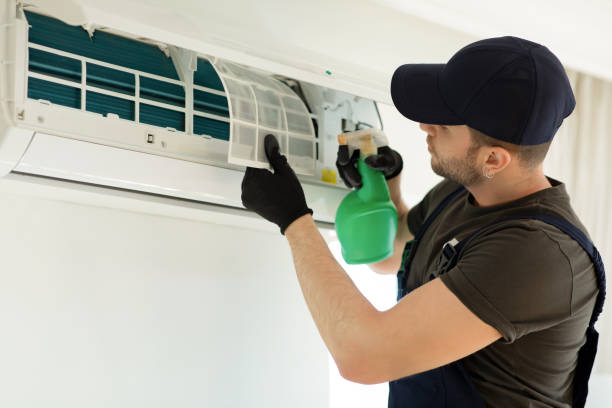
aircon technician cleaning out aircon filters
Aircondition service cleaning

5. Schedule Regular Professional Servicing

While there are several tasks you can handle on your own, scheduling regular professional aircon servicing is crucial, especially during the rainy season. A professional technician can thoroughly inspect and clean parts that are difficult to access, such as the evaporator coils, condenser fins, and refrigerant lines. They can also check for issues like refrigerant leaks, electrical problems, or worn-out components that may affect your aircon’s performance.

Aim to have your aircon serviced at least twice yearly, particularly before and after the rainy season. Regular maintenance can prevent breakdowns, extend the lifespan of your unit, and ensure that it operates efficiently throughout the year. 

6. Use the Right Aircon Mode for the Rainy Season

The rainy season in Singapore often brings fluctuating temperatures and high humidity. Choose the most suitable mode to optimize your aircon’s performance during this time. The “dry mode” is highly effective for reducing moisture without excessively cooling the air, making it perfect for rainy days when the temperature is not too high but the humidity is unbearable.

Switching your aircon to “dry mode” during humid periods helps dehumidify a room without overcooling it. This not only helps maintain a comfortable indoor climate but also reduces the strain on your air conditioner, leading to energy savings. 

7. Inspect Electrical Components

Heavy rain and thunderstorms during the rainy season can cause power surges or short circuits, which may damage the electrical components of your aircon. Regularly inspecting the electrical connections and components can help prevent costly repairs.

You can check the electrical connections for signs of wear or damage. Call a professional to inspect your aircon if you notice flickering lights or other unusual electrical issues. 

Final Thoughts

Maintaining your aircon during Singapore’s rainy season is essential to ensure optimal performance, energy efficiency, and indoor air quality. With the right aircon maintenance practices in place, you can enjoy a comfortable, cool, and healthy home environment, even during the most humid days. Remember, investing time and effort in maintaining your aircon extends its lifespan and helps you save on energy bills and avoid costly repairs in the long run.