6 Secrets To A Spotless And Stain-Free Toilet

part-time helper cleaning bathroom mirror

Maintaining a spotless and stain-free toilet can be challenging, especially when you’re constantly swamped with work and family. However, with the right tips and tricks, you too can keep your toilet clean and fresh! Here are some secrets to achieving a spotless and stain-free toilet. 

1. Regular Cleaning Routine

A regular cleaning routine can prevent stains and buildup. For a start, you can use a mild cleaner or disinfectant to wipe down the toilet seat, rim, and exterior at the end of every day. This will help keep the toilet hygienic and prevent the formation of tough stains. 

  • Quick Wipe-Down: At the end of each day, use a mild cleaner or disinfectant to wipe down the toilet seat, rim, and exterior. This keeps dirt, germs, and odors in check.
  • Keep Cleaning Supplies Handy: Store cleaning wipes or sprays in the bathroom for easy access. This encourages quick cleanups whenever necessary.

Tip: For extra convenience, designate specific days for a quick five-minute toilet refresh. This minimizes the effort required during deep cleaning.

2. Use the Right Cleaning Products

Investing in quality products is crucial for they play a huge role in maintaining a clean toilet. Always opt for high-quality toilet bowl cleaners that can tackle stains and eliminate germs effectively. Look for products that contain bleach or other disinfectants. 

  • Toilet Bowl Cleaners: Opt for cleaners with bleach or disinfectants to tackle stubborn stains and kill bacteria.
  • Natural Alternatives: If you prefer eco-friendly options, baking soda and white vinegar are powerful natural cleaners. They effectively remove stains and neutralize odors without the use of harsh chemicals.
  • Specialized Stain Removers: For hard water or rust stains, look for products specifically designed to remove mineral buildup.

Tip: Avoid abrasive cleaners or tools that can scratch the porcelain, as scratches can trap dirt and make cleaning more challenging.

part-time cleaner in singapore ready to your house

3. Deep Clean Weekly

A weekly deep clean is important for a spotless toilet. If that’s not possible, you may also choose to do it on a bi-weekly basis. You may consider getting a pumice stone in addition to a toilet brush to help remove stubborn stains as it can help remove tough mineral deposits without damaging the porcelain. 

  • Scrubbing the Bowl: Use a sturdy toilet brush to scrub the bowl thoroughly. Pay special attention to the waterline, where stains often accumulate.
  • Tackling Tough Stains: A pumice stone can be highly effective in removing tough mineral deposits or hard water stains without damaging the porcelain.
  • Sanitize Beyond the Bowl: Don’t forget to clean the flush handle, toilet seat hinges, and base, as these areas often harbor germs.

Tip: Pour a cup of vinegar into the toilet bowl and let it sit for 15–20 minutes before scrubbing to break down stains and mineral deposits more easily.

4. Prevent Stains

Toilet bowl tablets can help prevent stains and keep your toilet fresh between cleanings. These tablets slowly release cleaning agents that fight stains and keep your toilet smelling nice. Do remember to choose tablets that are safe for septic systems and are environmentally friendly. 

  • Toilet Bowl Tablets: These slow-dissolving tablets release cleaning agents with every flush, preventing stains and keeping your toilet smelling fresh.
  • Flush Regularly: If your toilet isn’t frequently used, make it a habit to flush it at least once a day to prevent water stagnation, which can lead to staining.
  • Install a Water Softener: Hard water is a major culprit behind stains and mineral deposits. Installing a water softener can reduce mineral buildup in the toilet and other fixtures.

Tip: Opt for environmentally friendly tablets that are safe for septic systems to protect your plumbing and the environment.

5. Handle Humidity

Singapore’s humid climate can contribute to mold and mildew growth in the toilet. Hence, it’s important to keep your toilet well-ventilated to reduce moisture levels. This will also help to prevent mold growth and keep your toilet clean. Apart from leaving the windows in your toilet open, leave the door open after showers to allow proper air circulation and reduce humidity. 

Proper ventilation is crucial to combat these issues.

  • Open Windows and Doors: Allow fresh air to circulate by keeping windows and bathroom doors open when possible. This reduces humidity levels and prevents mold growth.
  • Use an Exhaust Fan: If your bathroom has an exhaust fan, ensure it is functioning properly. Use it during and after showers to remove excess moisture from the air.
  • Invest in a Dehumidifier: In particularly humid bathrooms, a compact dehumidifier can work wonders in keeping moisture levels under control.

Tip: After every shower, use a squeegee to remove water from bathroom walls and floors. This prevents water from stagnating and encourages faster drying.

6. Call in the Experts

Last but not least, ring in the experts. This works especially for those who find it challenging to maintain a clean toilet due to a busy schedule. Hiring a part-time cleaner in Singapore can be an incredible solution as they have the expertise and tools to ensure your toilet remains spotless and stain-free. 

Final Thoughts

A spotless and stain-free toilet is not only more hygienic but also enhances the overall ambiance of your toilet. By incorporating these cleaning secrets into your routine, you can maintain a clean and fresh toilet effortlessly.

Hiring A Helper If You’re Unemployed? The Surprising Truth!

adults assisting a baby to stand

Hiring a maid in Singapore can be a game-changer for many households. However, if you’re unemployed, you might wonder if it’s feasible — or even allowed — to hire a Foreign Domestic Worker (FDW). Balancing financial constraints with the need for a clean and organized home can be challenging, but there are options worth considering. Let’s explore the requirements for hiring an FDW and why part-time cleaning services might be the ideal solution for unemployed individuals.

The lowdown on hiring an FDW

According to Singapore’s Ministry of Manpower (MOM), hiring an FDW comes with specific eligibility criteria.

Income requirementsTo hire an FDW, you need to demonstrate financial stability. Although MOM does not specify a minimum income threshold, they assess each application to ensure you can afford the FDW’s salary, food, medical insurance, and levy.

Unemployed individuals often struggle to meet this requirement due to the lack of a steady income stream. Even if you have savings, MOM may not approve the application without proof of regular income.
Suitable accommodationEmployers must provide a safe and adequate living environment for their FDW. Typically, this means having a separate room or designated space for the helper to ensure their privacy and comfort.

For unemployed individuals living in smaller homes or without a dedicated spare room, meeting this accommodation requirement can be a significant barrier.
Financial stabilityYou cannot hire an FDW if you are an undischarged bankrupt. MOM needs assurance that you can manage your financial obligations, including the costs of hiring, maintaining, and providing for the FDW.

Given these stringent requirements, unemployed individuals may find it challenging to hire a full-time maid due to the need for a steady income and financial stability. However, there’s a practical and affordable alternative worth considering.

Why Hiring a Full-Time FDW May Not Be Feasible

For unemployed individuals, the financial burden of hiring an FDW goes beyond just the salary. Additional expenses include:

  • Monthly levy: The government-imposed levy for employing an FDW.
  • Medical insurance and annual check-ups: These are mandatory and ensure the helper’s health and welfare.
  • Food and utilities: Additional costs for meals and increased electricity and water usage.
  • Repatriation costs: If you can no longer employ the helper, you’re responsible for their return airfare.

These cumulative costs can make hiring an FDW unaffordable for unemployed individuals or those with financial instability.

Why opt for a part-time cleaner 

For those facing financial uncertainty or unemployment, hiring a part-time cleaner offers several advantages:

Cost-effective solutionPart-time cleaners charge by the hour or session, eliminating the need for a fixed monthly salary and levy. This allows you to manage your budget better while still enjoying professional cleaning services. Rates in Singapore typically range from $15 to $30 per hour, depending on the service provider.
FlexibilityPart-time cleaners work on your terms. Whether you need weekly, bi-weekly, or ad-hoc cleaning sessions, you can tailor the schedule to fit your needs and financial situation. This flexibility ensures you only pay for services when you require them.
No accommodation hasslesPart-time cleaners do not live in your home. This removes the need for additional living space, which is often a requirement for FDWs. It also eliminates the costs associated with providing food and utilities for a live-in helper.
Professional serviceMany cleaning companies in Singapore provide trained and experienced part-time cleaners, ensuring high standards of cleanliness and reliability. Whether it’s vacuuming, mopping, or deep cleaning your kitchen, they can ensure your home stays spotless without you needing to lift a finger.
Simplified administrationHiring an FDW involves managing work permits, medical insurance, and levies, which can be overwhelming. Part-time cleaning services, on the other hand, come with no such administrative burdens. All you need to do is book a session with a trusted cleaning provider.

Additional Benefits of Part-Time Cleaning Services

Access to Specialized Cleaning

Many part-time cleaners are equipped to handle tasks like sofa shampooing, carpet cleaning, and even aircon servicing. These additional services can be scheduled as needed, ensuring every corner of your home is well-maintained.

Eco-Friendly Options

Reputable cleaning companies often use eco-friendly products, making part-time cleaning services an excellent choice for those looking to maintain a green household.

Stress-Free Maintenance

Balancing household chores while job hunting or managing other responsibilities can be stressful. Hiring a part-time cleaner allows you to focus on more pressing matters while ensuring your living space remains clean and organized.

Final Thoughts

While hiring a full-time maid might be out of reach for unemployed individuals due to financial and regulatory constraints, a part-time cleaner offers a practical, affordable, and flexible alternative. Part-time cleaners provide household support without the financial burden and administrative complexities of hiring an FDW.

For those navigating unemployment or financial instability, part-time cleaning services ensure your home remains clean and well-maintained, providing peace of mind and convenience.

5 Tips You Need To Know To Get Rid Of Pesky Dust Mites

dirty pillows

If you’ve ever encountered dust mites, then you know that these microscopic creatures thrive in our homes – especially in warm and humid environments like Singapore. These tiny pests can trigger allergies and asthma, making it important to keep them under control. Read further to learn how to get rid of dust mites and maintain a cleaner, healthier home.

robot vacuum cleaning the house

1. Regular Cleaning and Vacuuming

Regular cleaning is your first line of defense against dust mites. Since these tiny pests feed on skin flakes that collect in carpets, upholstery, and bedding, it’s important to:

  • Vacuum Frequently: Use a vacuum cleaner equipped with a HEPA (High-Efficiency Particulate Air) filter. HEPA filters trap allergens and dust mites effectively, preventing them from becoming airborne during cleaning. Focus on carpets, rugs, and upholstered furniture, as these areas are hotspots for mites.
  • Mop Floors: Hard floors should be mopped regularly with a damp mop to capture fine particles of dust that vacuuming might miss.
  • Dust Surfaces: Use a damp microfiber cloth to clean shelves, windowsills, and other surfaces. Dry cloths can spread dust rather than remove it.

Tip: Dust your home from top to bottom so that any particles knocked off higher surfaces can be cleaned up later.

2. Wash Bedding Regularly

Bedding is a favorite hangout for dust mites due to its warmth, moisture, and access to dead skin cells. To keep your sleeping area fresh and allergen-free:

  • Weekly Wash: Wash sheets, pillowcases, and blankets in hot water (at least 60°C) to kill dust mites.
  • Use Allergen-Proof Covers: Encasing mattresses, pillows, and duvets in allergen-proof covers creates a barrier between you and the mites.
  • Replace Bedding Regularly: Replace pillows every 1-2 years and mattresses every 8-10 years to minimize dust mite buildup.
  • Sun Your Bedding: Exposing your bedding to sunlight can help reduce moisture and kill dust mites naturally.

Tip: Avoid using heavy, non-washable bedding, as they can harbor mites over time. Opt for lightweight, washable materials.

3. Control Humidity Levels

Dust mites thrive in environments with humidity levels above 50%. By controlling indoor humidity, you can create an environment that’s inhospitable to these pests:

  • Use a Dehumidifier: Invest in a dehumidifier to maintain indoor humidity below 50%. This device is especially helpful in tropical climates where humidity tends to be high year-round.
  • Run Your Aircon: Air conditioning not only cools the air but also reduces humidity levels, helping to keep your home dry and less inviting to dust mites.
  • Ventilate Properly: Open windows and doors periodically to promote fresh air circulation. Exhaust fans in kitchens and bathrooms can also help to expel moist air.

Tip: Avoid overwatering indoor plants, as they can add to the humidity levels in your home.

4. Minimize Clutter

Clutter acts as a magnet for dust and provides countless hiding spots for dust mites. Keep your home organized and free of unnecessary items to minimize their breeding grounds:

  • Declutter Regularly: Sort through items in bedrooms, living rooms, and other spaces to remove items you no longer need.
  • Opt for Closed Storage: Store items in plastic bins with tight-fitting lids to keep them dust-free.
  • Limit Soft Furnishings: Items like throw pillows, stuffed toys, and fabric-covered furniture can harbor dust mites. If you can’t part with them, wash them frequently or keep them in sealed containers when not in use.

Tip: Keep shelves clear of unnecessary knick-knacks to reduce dust accumulation and make cleaning easier.

5. Use Dust Mite Sprays and Treatments

Sometimes, regular cleaning might not be enough. Specialized products can help target dust mites directly:

  • Dust Mite Sprays: These sprays are formulated to kill dust mites on contact. Apply them to mattresses, furniture, and carpets, following the manufacturer’s instructions.
  • Essential Oils: Natural remedies like eucalyptus, tea tree, and lavender essential oils are known for their dust mite-repelling properties. Add a few drops to your cleaning solutions or use them in a diffuser to deter mites while keeping your home smelling fresh.
  • Baking Soda Treatment: Sprinkle baking soda mixed with a few drops of essential oil over your mattress and carpets. Let it sit for a few hours before vacuuming to refresh these surfaces and reduce allergens.

Tip: Choose products that are safe for pets and children, especially if you’re treating areas where they frequently play or rest.

Final Thoughts

Getting rid of pesky dust mites may seem like a daunting task, but consistent cleaning, humidity control, and proper preventive measures can significantly reduce their presence. Incorporate these tips into your routine to create a healthier and more comfortable living environment. 

Remember, a clean home is not just about appearances — it’s about creating a safe, allergen-free space for you and your family. With these steps, you can keep dust mites at bay and breathe easier every day.

However, if all that’s proven to be difficult for you, you can always opt for extra help by hiring a part-time cleaner to help maintain a healthy and clean home.

8 Best Ways To Keep Your Home Free From Pesky Allergens

Allergies can significantly impact your quality of life – especially if they are triggered by common allergens found in indoor environments. There are several causes like: dust mites, pet dander, pollen, and mold can cause sneezing, itchy eyes, and other allergic reactions. Keeping your home allergy-free requires consistent cleaning and some other changes. Here we have some effective tips to keep the pesky allergens at bay.

1. Regular Cleaning Routine

Establishing a regular cleaning routine is crucial in reducing allergens in your home. Dusting, vacuuming, and mopping should be done frequently to eliminate dust, pet dander, and other particles. Using a vacuum cleaner with a HEPA filter can be particularly effective, as it traps tiny particles that other vacuums might miss.

2. Control Humidity Levels

Mold and dust mites thrive in humid environments. Keeping your home’s humidity levels between 30% and 50% can help prevent these allergens from proliferating. Use dehumidifiers and air conditioners to maintain the right humidity levels.

3. Use Allergy-Proof Bedding

Dust mites are a common allergen that can live in your bedding. Using allergen-proof covers for your mattresses and pillows can create a barrier against dust mites. Wash your bedding, including bedsheets, pillowcases, and blankets, in hot water every week to kill any dust mites present.

black dog sitting on a sofa

4. Keep Pets Clean and Groomed

Pet dander is a significant allergen for many people. If you have pets, regularly bathe and groom them to reduce the amount of dander they shed. Keep pets out of the bedroom to minimize exposure while you sleep. For those with severe allergies, it might be necessary to keep pets out of the house altogether.

5. Reduce Clutter

Clutter can collect dust and provide hiding spots for allergens. Channeling your inner Marie Kondo and keeping your home organized and free of unnecessary items can make cleaning easier and more effective. Opt for furniture with smooth surfaces that can be wiped down easily and avoid heavy drapes and carpets that can trap allergens.

6. Improve Ventilation

Proper ventilation can help reduce indoor allergens. Use exhaust fans in bathrooms and kitchens to remove moisture and cooking fumes. Regularly open windows to allow fresh air to circulate.   

7. Use Air Purifiers

Air purifiers with HEPA filters can significantly reduce airborne allergens, such as pollen, dust mites, and pet dander. Place air purifiers in frequently used rooms, such as the bedroom and living room, to improve the air quality in your home.

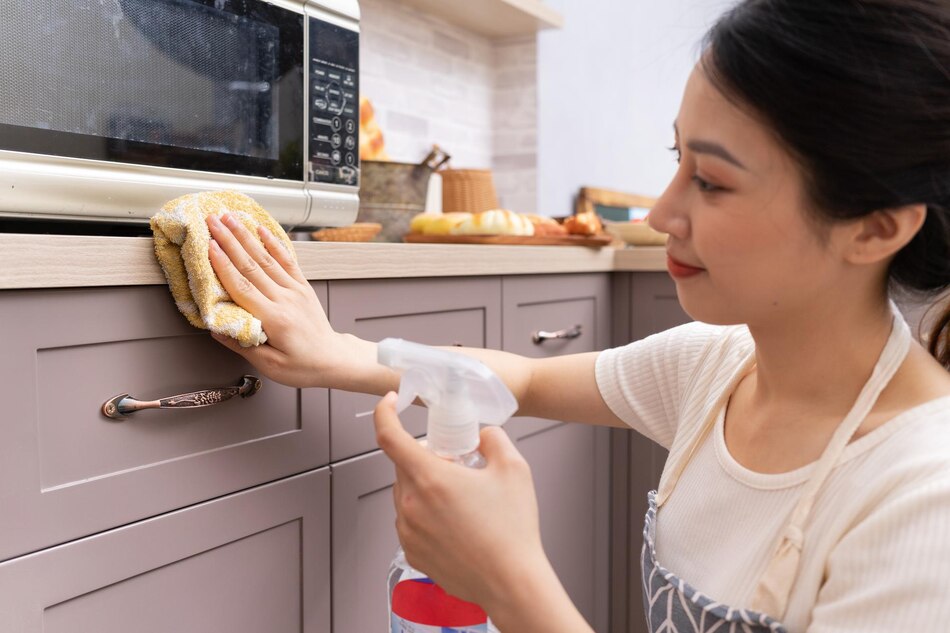
Maid cleaning kitchen cabinet

8. Hire Professional Cleaning Services

For a thorough clean, consider hiring a part-time cleaner or professional cleaning service in Singapore. A part-time cleaner can help with deep cleaning tasks, such as shampooing carpets, washing curtains, and cleaning upholstery, which can be challenging to do on your own.

Final Thoughts

Keeping your home allergy-free requires consistent effort and strategic measures, but it’s not difficult! If you require additional help, there are plenty of professional cleaning services to help you out. 

Part-Time Vs Full-Time Cleaners – Which Is Better For You

freelance home cleaner

Both, part-time cleaners and full-time cleaners, offer distinct advantages and considerations. Especially when catering to different cleaning needs and preferences. So, when it comes to keep your space clean and inviting, which of the two should you pick to aid your decision-making?

Read on to figure out which option aligns best with your requirements. 

part-time cleaner in singapore ready to your house

Part-Time Cleaners:

Part-time cleaners, as the name suggests, operate on a flexible schedule, offering their services for a specified number of hours or sessions per week or month. Here’s what you need to know:

Cost-Effectiveness: Part-time cleaners can be a budget-friendly choice, especially for smaller households or businesses with limited cleaning needs. Since you only pay for the hours or sessions you require, it saves you money.

Flexibility: With part-time cleaners, you have the flexibility to adjust the frequency and duration of cleaning sessions based on your needs and schedule. Whether you need weekly, bi-weekly, or monthly cleaning, part-time cleaners can accommodate your preferences.

Customisation: They can tailor their services to meet your specific cleaning requirements. You can inform part-time cleaners of your preferences and priorities beforehand to ensure that the cleaning is done according to your standards.

No Long-Term Commitment: Hiring part-time cleaners doesn’t entail a long-term commitment or contract. You have the freedom to adjust or discontinue the cleaning services as needed without any obligations. Perfect for those of you with commitment issues! 

Maid cleaning kitchen cabinet

Full-Time Cleaners:

Full-time cleaners are employed on a permanent or ongoing basis to provide comprehensive cleaning services on a daily or regular schedule. Here’s what you need to know:

Consistency: Full-time cleaners offer consistent and reliable cleaning services regularly, ensuring that your space remains clean and well-maintained at all times. With dedicated cleaning staff on-site, you can expect help around you 24/7. 

Comprehensive Cleaning: They’re able to tackle more thorough cleaning tasks compared to part-time cleaners. Full-time cleaners also have the time and resources to perform deep cleaning, maintenance, and sanitation tasks to keep your space in top condition.

Immediate Availability: Having full-time cleaners on-site means that cleaning services are readily available whenever needed. You won’t have to wait for scheduled sessions or coordinate with external service providers for urgent cleaning needs.

Greater Accountability: They are accountable for the cleanliness and upkeep of your space daily, especially if they are on a live-in agreement. Full-time cleaners are also familiar with the cleaning requirements and expectations, leading to better communication and consistency in output.

Final Thoughts: 

Whether you choose part-time cleaners or full-time cleaners, investing in cleaning services guarantees your space remains clean, and welcoming for your family, employees, and visitors. It also reflects back on your importance to cleanliness and hygiene. 

As with every kind of decision, it’s crucial to evaluate your needs and preferences to make the best option for your home or business to enjoy the benefits of a well-maintained environment.

The Best Essential Oils For A Cleaner Home

wide range of essential oils

Despite being cherished for their aromatic properties and therapeutic benefits, essential oils are gaining popularity as natural alternatives for household cleaning. Did you know certain oils can get rid of pests and are often used as a replacement for chemical-laden products due to their natural and eco-friendly properties? Using essential oils can not only elevate the cleanliness of your space but also leave your home smelling good! We bring to you the top 5 essential oils that may be used for home cleaning.

an image of lemons

1. Lemon Essential Oil

For the unbeknownst, lemon essential oil is a must-have for anyone who values natural cleaning solutions. Its fresh citrus scent not only uplifts the mood but also has potent antibacterial and antiviral properties. Lemon oil is highly effective in cutting through grease, which makes it a popular choice for kitchen cleaning.

Benefits:

  • Antibacterial and Antiviral: Helps in eliminating germs, making it ideal for sanitizing kitchen counters and bathroom surfaces.
  • Deodorizing: The citrus scent effectively neutralizes odors, leaving a fresh fragrance.
  • Grease Removal: Lemon oil cuts through tough grease and grime, making it perfect for cleaning stovetops and sinks.

Uses:

  • All-Purpose Cleaner: Mix 10-15 drops of lemon essential oil with one cup of water and one cup of white vinegar in a spray bottle. Use this solution for cleaning countertops, sinks, and other surfaces.
  • Stain Remover: Apply a few drops of lemon oil to a cloth, and use it to remove stubborn stains from surfaces and fabrics.
image of a bunch of plants and flowers

2. Tea Tree Essential Oil

A widely known oil, the tea tree oil, also known as melaleuca, is celebrated for its strong antimicrobial and antifungal properties, making it an excellent choice for tackling mold and mildew around the house. This essential oil is a staple for deep-cleaning bathrooms and other damp spaces prone to bacterial growth.

Benefits:

  • Antimicrobial and Antifungal: Ideal for areas where mold and mildew may accumulate, such as bathrooms.
  • Natural Disinfectant: Acts as a powerful disinfectant for high-touch surfaces, reducing exposure to germs.

Uses:

  • Mold and Mildew Remover: Combine 10 drops of tea tree oil with one cup of water in a spray bottle. Spray directly onto moldy surfaces, let it sit, then wipe clean. This natural remedy helps to prevent mold growth over time.
  • Disinfecting Solution: Add 10–15 drops of tea tree oil to cleaning solutions for extra protection against bacteria, making it great for bathrooms, kitchens, and floors.
image of a lavender field

3. Lavender Essential Oil

Not only known for its calming properties, lavender oil is also excellent for household cleaning. Its antibacterial properties, combined with a soothing scent, make it ideal for freshening linens and keeping surfaces clean.

Benefits:

  • Antibacterial: Helps eliminate bacteria on surfaces.
  • Deodorizing: Adds a pleasant, relaxing fragrance to your home, perfect for bedrooms and living spaces.

Uses:

  • Fabric Freshener: Mix 10–15 drops of lavender oil with water in a spray bottle, and spritz on bedding, curtains, and upholstery for a long-lasting fresh scent.
  • Floor Cleaner: Add a few drops to your mop water when cleaning floors to leave a light, lingering lavender fragrance that also cleans.
image of eucalyptus plant

4. Eucalyptus Essential Oil

The leaves the koala bears indulge in also serve a great purpose to us when it comes to keeping a clean home. Eucalyptus oil is often associated with clearing respiratory issues, but it’s also an effective cleaner. Its antibacterial properties make it suitable for disinfecting bathrooms and other areas prone to bacteria. Plus, its strong, invigorating scent helps freshen the air.

Benefits:

  • Antibacterial and Antiviral: Eucalyptus helps in reducing germs and bacteria, making it ideal for kitchens and bathrooms.
  • Deodorizer: The fresh scent of eucalyptus clears unpleasant odors, revitalizing your home.

Uses:

  • Air Freshener: Add 10 drops of eucalyptus oil to a spray bottle with water, and spritz around the home to neutralize odors.
  • Bathroom Cleaner: Mix 10 drops with equal parts water and white vinegar in a spray bottle. This solution works well for cleaning countertops, sinks, and tubs.
image of peppermint oil

5. Peppermint Essential Oil

Saving the last for best is peppermint oil with its minty-sweet aroma, offers a refreshing touch to your home while doubling as an effective pest repellent. Its antibacterial properties make it a versatile choice for cleaning while also keeping insects at bay.

Benefits:

  • Antibacterial: Helps in sanitizing surfaces, especially in the kitchen.
  • Pest Repellent: Known to deter ants, spiders, and cockroaches naturally.

Uses:

  • Surface Cleaner: Mix 10 drops with a cup of water and a cup of vinegar in a spray bottle, then use it to wipe down surfaces in the kitchen and bathroom.
  • Pest Control: Soak cotton balls with a few drops of peppermint oil and place them in areas where insects are commonly found. This natural solution repels pests without the need for harmful chemicals.

Additional Tips for Using Essential Oils in Cleaning

DIY Cleaning WipesCreate reusable cleaning wipes by soaking cloths in a mixture of water, vinegar, and a few drops of your favorite essential oil, such as lemon or tea tree. Store in an airtight container, and use as needed for a quick wipe-down of counters and surfaces.
Carpet FreshenerMix a few drops of lavender or eucalyptus oil with baking soda, sprinkle on carpets, let it sit for 15–20 minutes, and then vacuum. This removes odors and leaves carpets smelling fresh.
Trash Can DeodorizerAdd a few drops of peppermint or tea tree oil to a cotton ball, and place it at the bottom of your trash can to keep unpleasant smells at bay.
Laundry BoostAdd a few drops of lavender or eucalyptus oil to your laundry detergent for a fresh, natural fragrance that lingers on clothes and linens. This is especially useful for towels and bedding.

Final Thoughts

Incorporating essential oils into your cleaning routine is a simple way to maintain a cleaner, healthier home while reducing the need for harsh chemicals. Essential oils not only sanitize and freshen your space but also support your well-being with their therapeutic properties. Many cleaning services in Singapore are now incorporating essential oils into their products for a more natural approach to home maintenance, so you can enjoy the benefits of essential oils without lifting a finger. Whether you’re using them to sanitize surfaces, freshen the air, or deter pests, essential oils are an affordable, eco-friendly addition to any cleaning regimen.