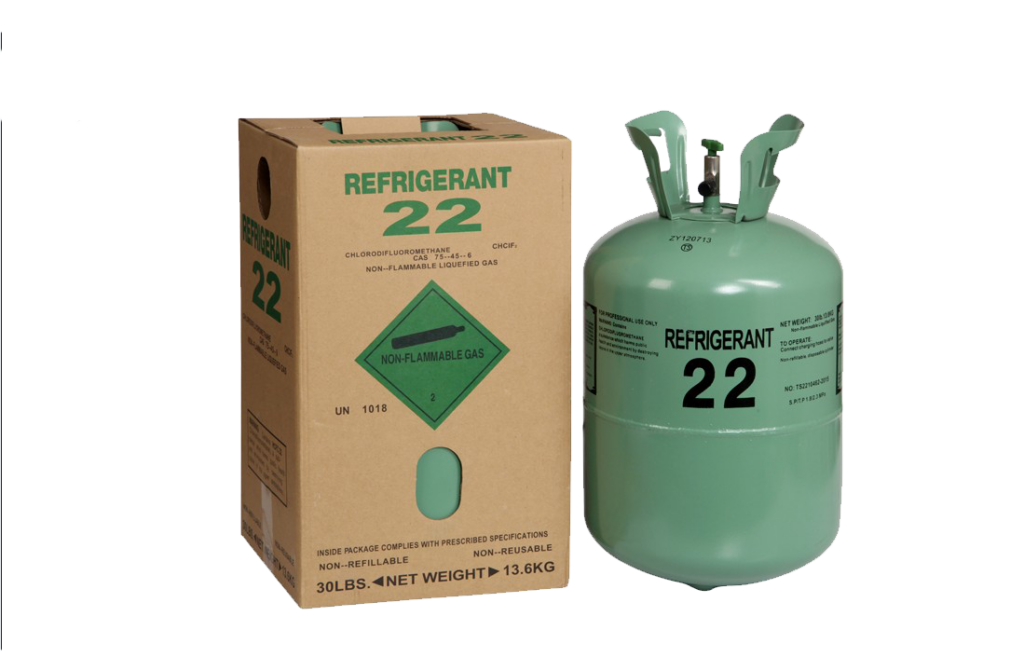
If you live in Singapore, you may already know how important it is to have an aircon ready to serve your anytime, as the weather can change from soothing to hot and humid really quick. The fast changing tropical climate of Singapore demands regular aircon servicing and ensuring that the the A/C units have adequate refrigerant gas for the cooling system to function.
Many a times we fail to understand that our air conditioning system may be low on gas and eventually would run out it resulting in complete dysfunction of the cooling systems. Hence, it is essential to monitor the these simple traits of your aircon to understand if they are low on gas and might need a refill.
1. Reduced Cooling Performance
If you notice that your AC isn’t cooling your space as efficiently as it used to despite running constantly, low refrigerant levels could be the cause. Inadequate gas in the system can hinder the cooling process, resulting in less effective temperature regulation.
2. Warm Air Coming from Vents
One of the most noticeable signs of low refrigerant is when warm air blows out of the air conditioning vents. This happens because there’s not enough refrigerant to absorb heat from the indoor air, leaving the air coming from the vents warmer than desired.
3. Constant Cycling On and Off
A properly functioning AC system maintains a consistent cycle of cooling. However, when refrigerant levels are low, the system may frequently turn on and off in an attempt to reach the set temperature. This frequent cycling can strain the compressor and other components, leading to potential damage.
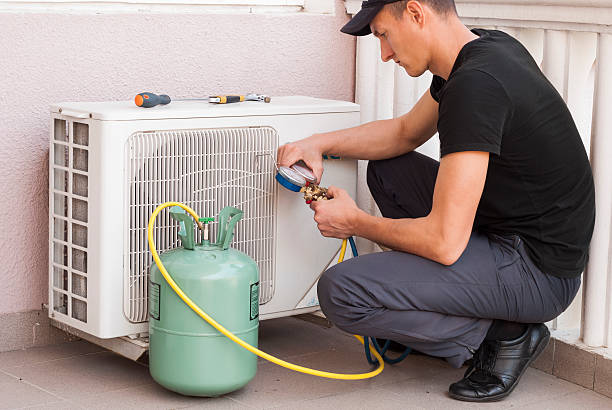
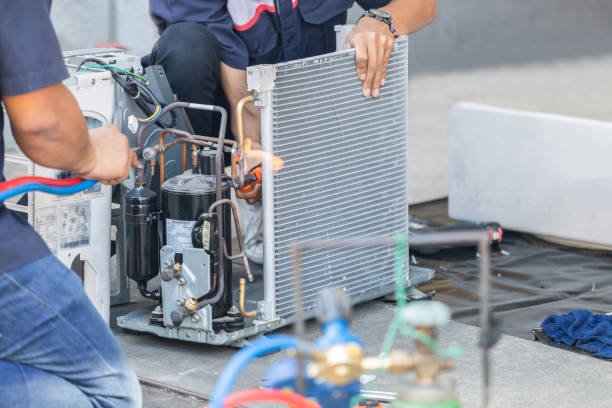
Refrigerant pressure check by technician
What to Do Next?
If you suspect that your air conditioner might need a gas refill, it’s crucial to contact a certified HVAC technician. Attempting to handle refrigerant-related issues yourself can be hazardous and may lead to further damage to the system. A professional technician will inspect the system, identify any leaks, and recharge the refrigerant to the appropriate levels.
Regular maintenance is key to preventing low refrigerant levels. Schedule routine check-ups for your AC system to ensure it’s operating at its best. Additionally, keep an eye out for any signs of leaks or issues with the unit to catch problems early.
Your air conditioning system plays a vital role in maintaining a comfortable indoor environment, especially during hot seasons. Being vigilant and responsive to signs of low refrigerant can help keep your AC running efficiently and effectively.
Remember, when in doubt, always seek professional help to diagnose and resolve AC issues.
Living in Singapore’s hot and humid climate, your air conditioner isn’t just a luxury—it’s a necessity. Whether you stay in a condo, HDB flat, landed house, or a BTO, a well-functioning aircon is key to staying cool and comfortable.
But like any appliance, aircons break down over time. Here are 15 common air conditioning problems in Singaporean homes and what you can do about them.
A chemical or burning smell is serious and could mean a safety issue.
Possible causes:
Electrical wiring damage
Overheating components
Gas leak
Fix: Turn off the unit immediately and book an emergency service.
FAQs
What causes high energy consumption in air conditioning systems and how to reduce it?
High energy consumption is typically caused by inefficient operation due to duct leaks, clogged filters, low refrigerant, dirty coils, or aging components. Regular maintenance, cleaning, and timely repairs can improve efficiency and reduce electricity bills.
Why does my aircon emit bad odors and how can I eliminate them?
Bad odors from an aircon are usually caused by excess moisture, mold, or bacterial growth inside the unit, often due to high humidity in Singapore. Regular cleaning or replacing air filters, and professional servicing can help maintain air quality and eliminate foul smells.
What should I do if my air conditioner is producing loud or unusual noises?
Unusual noises from an air conditioner, such as clicking, buzzing, grinding, or rattling sounds, may indicate issues with the blower, refrigerant leak, faulty compressor, or fan motor. It is important to have a professional inspection to accurately diagnose and address the specific problem.
How can I prevent water leakage from my aircon unit?
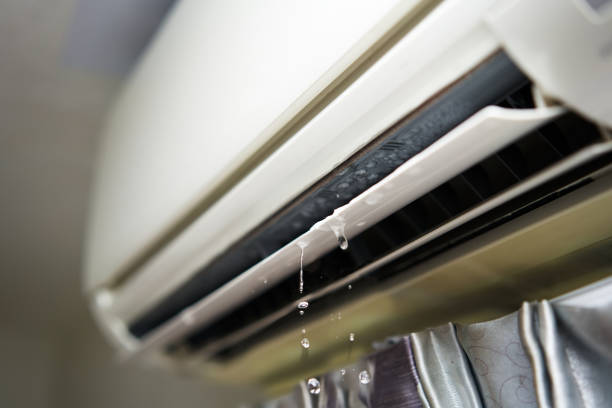
Water leakage from an aircon unit often occurs due to condensation and blocked or damaged drainage pipes. Dirt, dust, and fungi can clog the drainage system, leading to leaks. Routine cleaning and maintenance by a technician to clear or replace the drainage pipe can prevent this issue.
What are the common causes of poor cooling efficiency in air conditioning units in Singapore?
Poor cooling efficiency in air conditioning units in Singapore is commonly caused by dirty air filters, low refrigerant levels, clogged coils, malfunctioning compressors, and gas leaks. Regular maintenance by professionals can help identify and fix these issues to ensure optimal performance.
In the hot weather of Singapore, an a well-functioning and efficient air conditioner is more of a necessity than a luxury. The aircon problems discussed above are the most common issues reported by users. However, it should be noted, that none of these issues are too much expensive if recognized and treated at the right time. Regular maintenance and timely repairs are essential for ensuring your aircon operates efficiently and reliably at all times. If any of these issues are faced, seek professional assistance for the benefit of your aircon and your household who will help you with the best solution.
Are you hearing a loud clanking, rattling or buzzing noise from your AC compressor? A noisy compressor can not only be annoying but can also indicate underlying issues that need your attention. In this article, we will explore the top five reasons for a noisy aircon compressor and provide solutions to help you enjoy a quieter and more efficient cooling experience.
1. Malfunctioning Compressor Motor
A malfunctioning compressor fan motor is the number one reason for your compressor to be noisy. The compressor motor is a vital component of your air conditioning system. When it starts to malfunction or fail, it can generate various noises, such as clicking, banging, or even high-pitched screeches. Common causes of a malfunctioning compressor motor include wear and tear over time, electrical issues, or overheating due to a lack of maintenance.
Fix
To address a malfunctioning compressor motor, it’s essential to consult a professional HVAC technician. They will assess the situation and may recommend one of the following solutions:
Motor Repair: In some cases, the motor might be repairable by replacing specific components. Repair costs can vary but typically range from $200 to $600, including labor.
Motor Replacement: If the motor is severely damaged, it might need to be replaced. The cost of a compressor motor replacement ranges from $500 to $1,500, including parts and labor.
2. Bent Or Misaligned Compressor Fan Blades
The compressor fan blades play a crucial role in air circulation within the unit. When they become bent or misaligned, they can generate various noises, such as rattling, clicking, or scraping. This issue can occur due to accidental impacts, debris getting caught in the fan, or natural wear and tear.
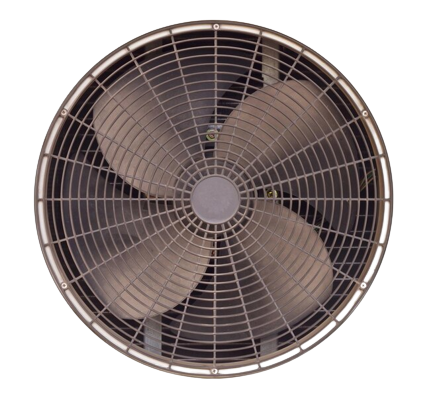
Compressor fan blade
Fix
Resolving bent or misaligned fan blades usually involves one of the following:
Blade Straightening: In many cases, a technician can straighten the blades, which is a cost-effective solution. Blade straightening typically costs around $100 to $200, including labor.
Blade Replacement: If the fan blades are severely damaged, they may need to be replaced. The cost for new blades can range from $150 to $300, including parts and labor.
3. Overused Compressor
An overused compressor can put excessive stress on various components within the unit, causing screws, bolts, or other parts to become loose or damaged. This can result in noises like rattling or clanking. Overuse is often a result of not following a proper maintenance schedule, including neglecting cleaning and servicing.
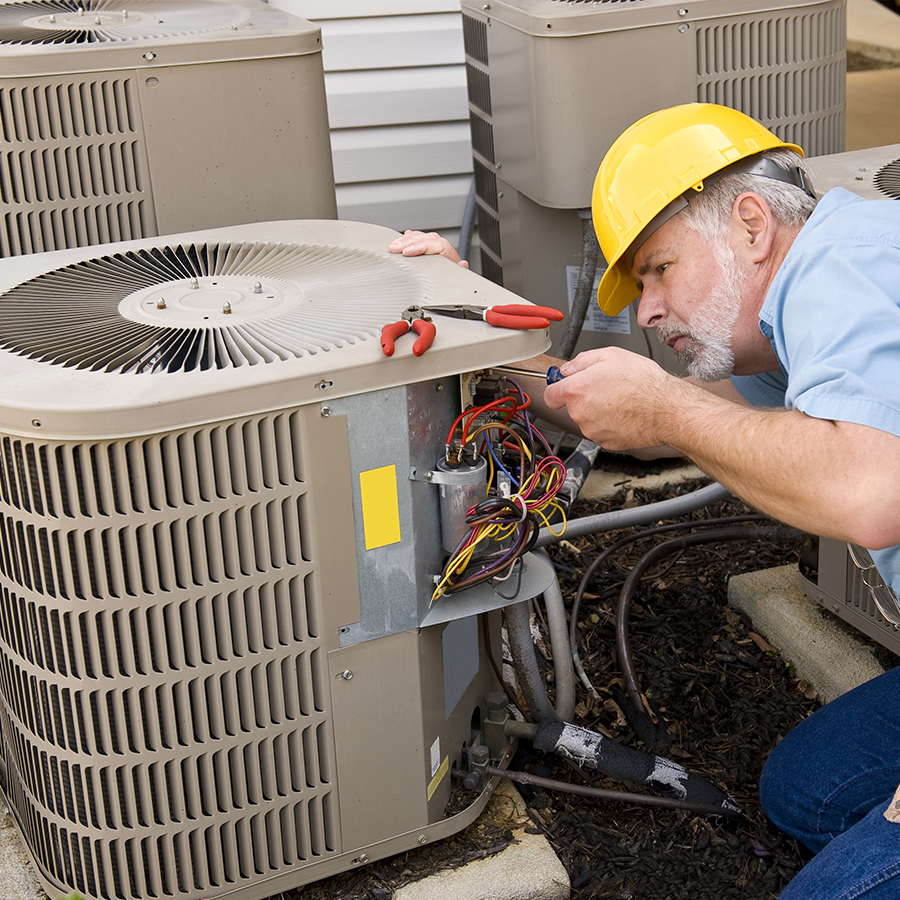
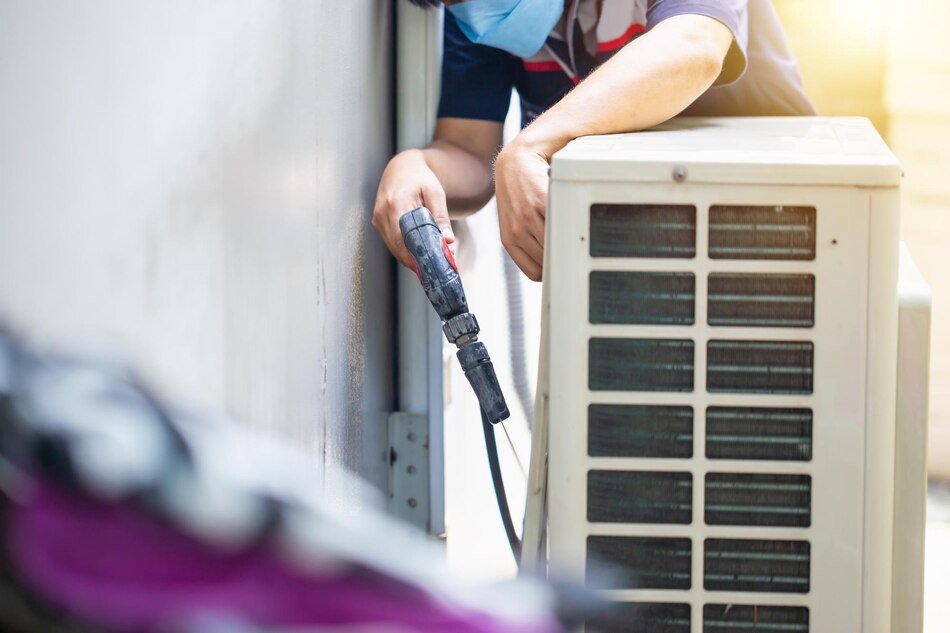
Technician repairing aircon compressor
Fix
Fixing this issue typically involves:
Tightening Loose Components: A technician can tighten any loose screws, bolts, or components. This part of the repair may cost around $100 to $200, including labor.
Component Replacement: If parts are severely damaged, they should be replaced. The cost for this type of repair can vary significantly, depending on the extent of the damage and the specific components that need replacement. It may range from $150 to $500 or more.
In all cases, it’s crucial to consult a professional HVAC technician to accurately diagnose and resolve these issues. Attempting DIY repairs can lead to further damage and may void your warranty. Professional technicians have the expertise and experience to ensure the safe and effective repair of your aircon compressor. The estimated costs provided are approximate and may vary depending on your specific situation and location.
The unique climatic conditions of Singapore, demands an efficient aircon system that will work consistently to keep the indoor spaces cool and comfortable.
According to air-conditioning experts, aircon maintenance and inspection should be done at least once every three months even if the unit is not faulty. This is crucial in assuring that the air conditioner will run as efficiently as possible.
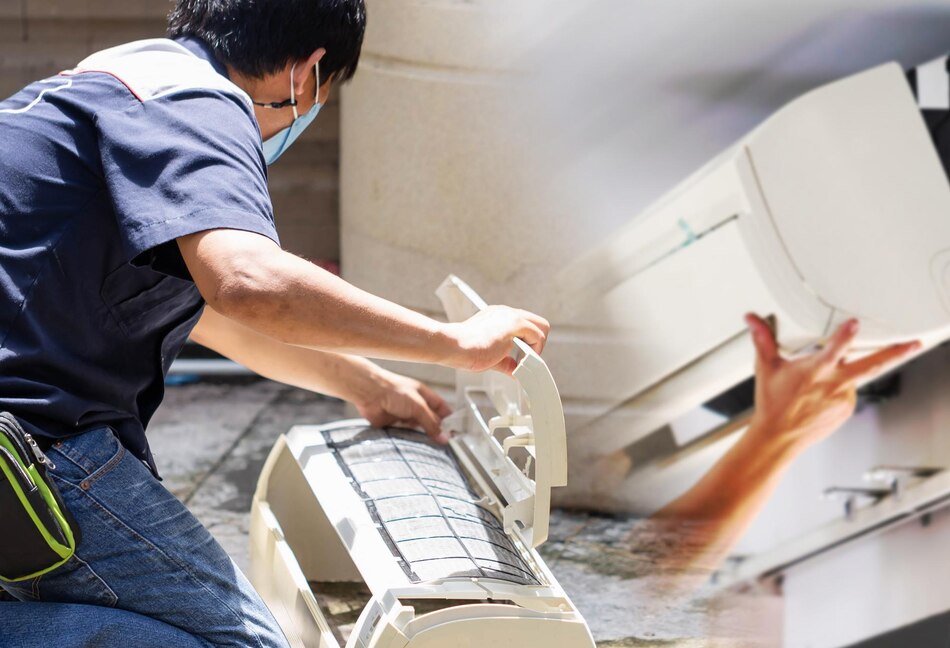
Technician repairing aircon
Major Benefits of Regular Aircon Servicing
1) Increases System Efficiency
If general servicing is done at a regular interval, it helps to maintain the efficiency of the air conditioner. With time, dust particles and debris accumulates on the coils and filters thereby reducing its efficiency. To make the air cool down, the unit then has to work harder resulting in increased energy consumption. Regular maintenance will ensure your unit remains at peak performance, by cooling the air faster and have more efficient power consumption.
2) Purifies Indoor Air Quality
It is very important that the air we breathe in is fresh and purified. Air conditioners, over time start to accumulate dust, dirt and debris which can easily get circulated into your home atmosphere, leading to various health issues such as allergies or respiratory problems. If Aircon servicing is done at regular intervals, a thorough cleaning of the dirt and other impurities that have accumulated on the filters and evaporator coil is guaranteed. Hence you and your loved ones get a purified dust free fresh air.
3) Extends Aircon Longevity
It is important to understand that just like any other mechanical device, an aircon also needs timely servicing. Lack of regular maintenance, will lead its parts to wear out over time and the lifespan of the aircon may reduce to only a few years. On the other hand, if regular servicing is conducted, it can increase the longevity of your aircon up to 15 to 20 years. Considering the hot and humid climate of Singapore, it is recommended to do a general servicing every 3-4 months. This will in turn lengthen the lifespan of your unit thereby bring down your overall expenses.
4) Protection against Infections
Air conditioners can become breeding grounds for mold, bacteria, fungus, unwanted pests and allergens resulting in contaminated air from the aircon unit. This will naturally result in a foul smell and can even make you fall sick. A regular cleaning and maintenance will help to protect the unit from this breeding of infectious germs.
5) Save on Electricity Bills
The aircon will function at it’s peak if the unit is clean. The cleaner the aircon is, the highest will be its efficiency level leading to a faster cooling. Faster cooling implies more efficient power consumption and less electricity bills to pay.
6) Prevent Breakdowns
By doing a routine maintenance, the professionals can easily identify potential issues and thereby prevent them from eventually turning into major problems or a major breakdown. This proactive approach can prevent unexpected breakdowns and costly repairs.
7) Value for Money
Regular servicing is cost effective as it helps to save your money in many ways. It helps to reduce power consumption thereby saving you on electricity bills. Again, it helps to purify the air you breathe in thus saving you the cost of doctor visit and ill health. Also the expenditure on highly expensive chemical overhaul and repairs are minimized with routine cleaning and maintenance.
Save on your bills
8) Provide proof of Aircon servicing or get a Service Record
In Singapore, many house owners or landlords asks for a proof of regular aircon servicing, from their tenants. If regular servicing is done, the service provider can issue the Service Record or the proof of service which will help in your tenancy agreement with your landlord.
What happens if air conditioner is not serviced?
If the air conditioner unit is not serviced at regular intervals, it will surely be inefficient and not be able to cool the space, even after remaining on for hours. This will naturally result in – high electricity bills, non-functional aircon and expensive repairs!
In Singapore’s climate, where air conditioners are more of a necessity rather than a luxury, regular servicing is vital. Scheduled maintenance of aircons ensures energy efficiency, prolongs the lifespan of your unit, and improves indoor air quality. Moreover, it also prevents health issues and costly repairs for breakdowns. Hence, to enjoy the full benefits of your air conditioner and maintain a comfortable and healthy living environment, make sure to schedule regular servicing with a trusted professional. It’s an investment that pays off in both the short and long term, ensuring that you stay cool and comfortable in Singapore’s hot and humid weather.
In this scorching heat of Singapore, aircons are a lifeline, providing much-needed respite from the oppressive weather. To ensure that your aircon unit functions efficiently and reliably, it is essential to do regular servicing.
According to aircon service providers, whether or not the aircon is suspected with any problem; it is advised to have it serviced and inspected at least once every three months. Irrespective of the fact the aircon is faulty, performing a general servicing at this frequency, will ensure its operation at maximum efficiency.
Factors That Influences The Frequency Of AC Servicing
The Type Of Aircon Unit
There are primarily two types of air conditioners: Window Aircon Units and Central Aircon Systems.
The former is smaller and installed in single-room. These aircons usually need to be serviced once a year. It is recommended to service before the summer season as the usage rate is higher during this season.
The latter is the second type that cools down the entire house. This type of system needs servicing every six months or at least once a year.
The Pattern of its Usage
Every household has different usage pattern. The frequency, at which the air conditioner needs to be serviced to a large extend depends on how often it is being used; seasonally or all year-round.
The Environment
The environmental conditions are also a key deciding factor on how often your aircon needs a servicing. It’s important to factor in climate, air pollution, and dust.
Signs From The Air Conditioner Itself
Often times, your aircon gives different signs indicating that it needs attention. Sudden water leakage, reduced cooling etc are indications that your aircon needs an immediate servicing.
Manufacturer’s Recommendations
How often, an aircon unit needs general servicing also varies depending on the brand and model type. It is thus important to follow the guidelines provided by the respective manufacturers.
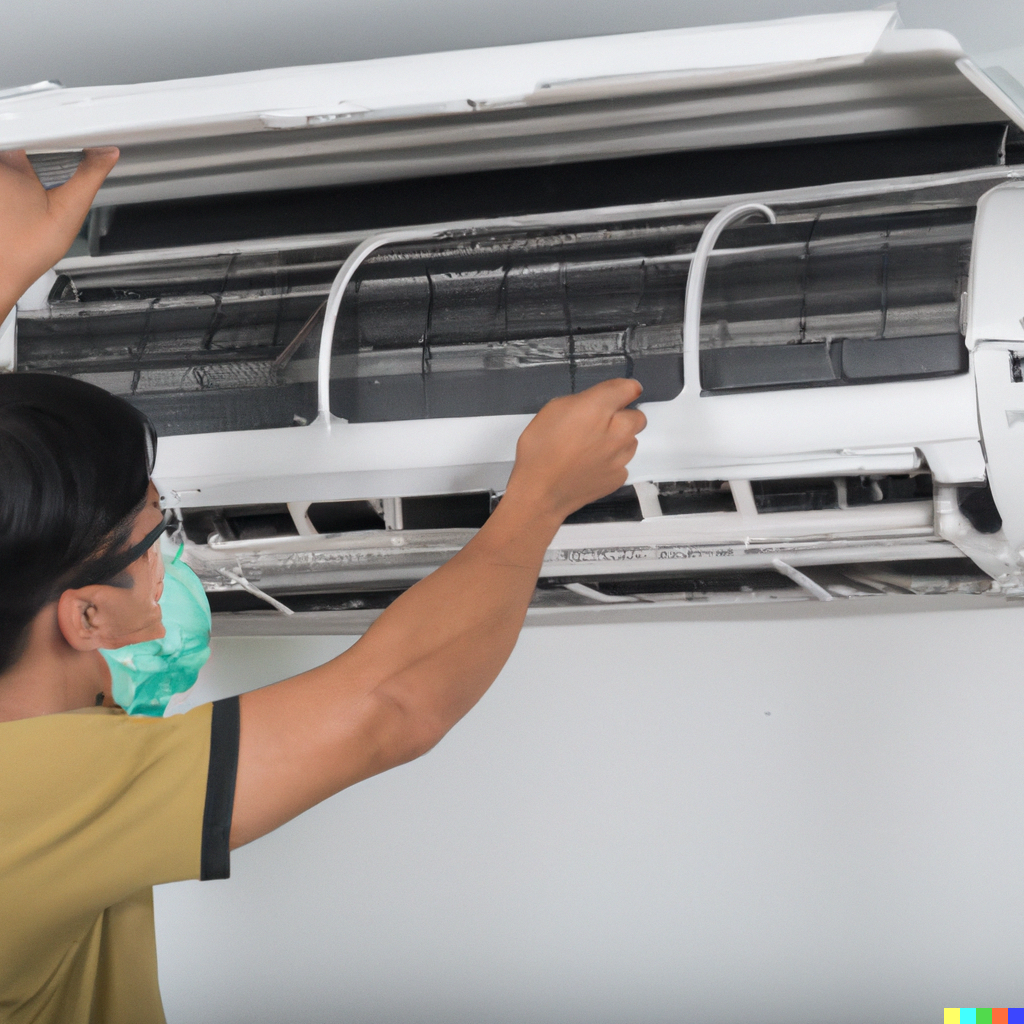
Technician doing regular Aircon servicing
Recommended Frequency for Aircon Servicing
The general rule of thumb for servicing aircons in Singapore is every 3 to 4 months. However, the frequency of servicing can vary depending on several factors such as usage, environment, and type of aircon system you have.
Regular Household Use
If you use your aircon for 8 hours a day or more, a quarterly service (every 3 months) is recommended to keep it in optimal condition.
Low Usage
If you use your aircon for less than 5 hours a day, you can opt for servicing every 6 months.
Commercial Aircons
For offices and other commercial spaces where aircons are used constantly throughout the day, a monthly service may be required to ensure smooth operation.
Why Is Regular Aircon Servicing Necessary?
Regular aircon servicing offers several benefits beyond just keeping your home cool. Below are some reasons why maintaining a consistent servicing schedule is essential.
Improves Energy Efficiency
Aircons that are not well-maintained tend to consume more energy because they have to work harder to cool your space. Dirty air filters, clogged condenser coils, and low refrigerant levels can significantly reduce an aircon’s efficiency, leading to higher electricity bills. Regular servicing helps identify and rectify these issues, ensuring your aircon operates at its peak performance and saves you money in the long run.
Prevents Breakdowns
Aircon breakdowns are not only inconvenient but can also be costly to repair. A regular aircon service schedule helps identify potential issues early, such as worn-out components or refrigerant leaks, before they become more significant problems. Catching these problems early allows for timely repairs, reducing the risk of unexpected breakdowns, especially during Singapore’s scorching hot months.
Extends Lifespan
Just like any other home appliance, your aircon will wear out over time. Regular servicing can extend the lifespan of your air conditioning unit by preventing excessive wear and tear. With proper care, a well-maintained aircon can last up to 15 years or more, giving you a greater return on your investment.
Improves Indoor Air Quality
One often-overlooked benefit of regular aircon servicing is improved indoor air quality. Dirty air filters and evaporator coils can harbor dust, allergens, and mold, which get circulated into your living space. Poor indoor air quality can lead to health issues such as respiratory problems, allergies, and fatigue. Cleaning or replacing the filters during servicing helps maintain fresh and clean air in your home, promoting better health for your family.
Maintains Cooling Efficiency
Over time, your aircon’s performance can deteriorate due to dirty components and insufficient refrigerant. Regular aircon servicing ensures that your unit cools efficiently, allowing it to maintain the desired temperature without overworking. This is particularly important in Singapore’s hot climate, where efficient cooling is necessary for comfort and well-being.
Signs That Your Aircon Needs Servicing
Apart from following a routine servicing schedule, it’s important to be aware of signs that indicate your aircon may require immediate attention.
Here are some common indicators that your aircon is due for servicing:
Reduced Cooling Performance
If your aircon isn’t cooling your room as effectively as it used to, it may be due to clogged filters, dirty evaporator coils, or low refrigerant levels.
Strange Noises
Unusual sounds such as rattling, buzzing, or grinding from your aircon could indicate issues with the fan motor, compressor, or other components.
Water Leakage
If you notice water leaking from your aircon unit, this could be a sign of a blocked drainage pipe or an issue with the condensate pan.
Foul Odors
Musty or foul smells from the aircon may suggest mold or mildew buildup, which should be addressed immediately to avoid health issues.
Higher Electricity Bills
A sudden increase in your electricity bills despite normal aircon usage often indicates that the system is working inefficiently and needs servicing.
The Aircon Servicing Process
Understanding what happens during an aircon service can help you appreciate its importance and ensure you get the most out of it.
Cleaning Air Filters
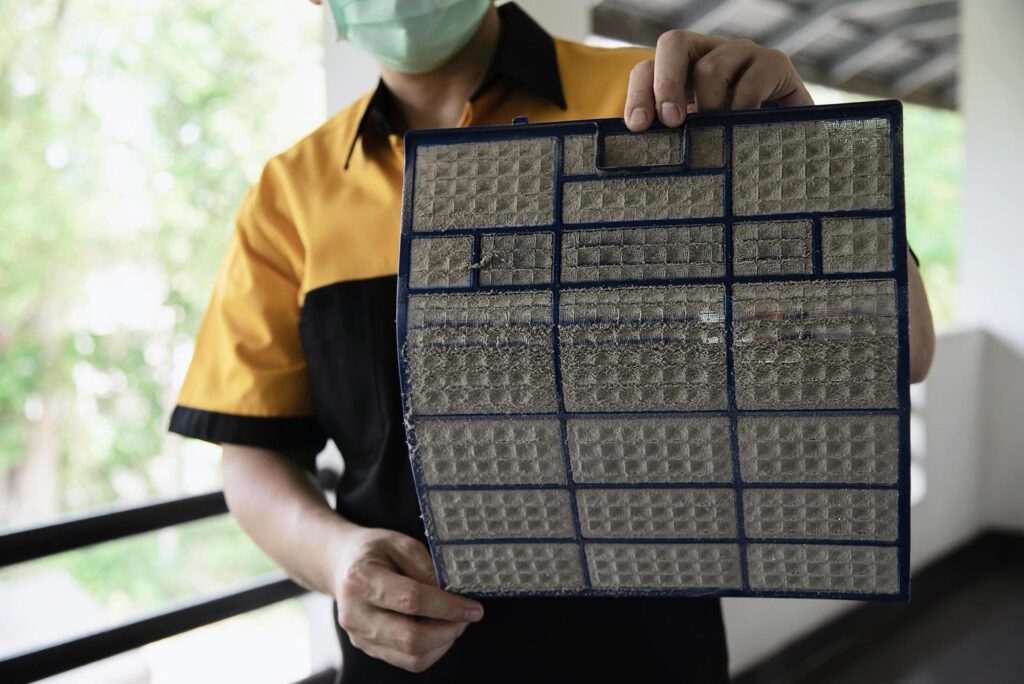
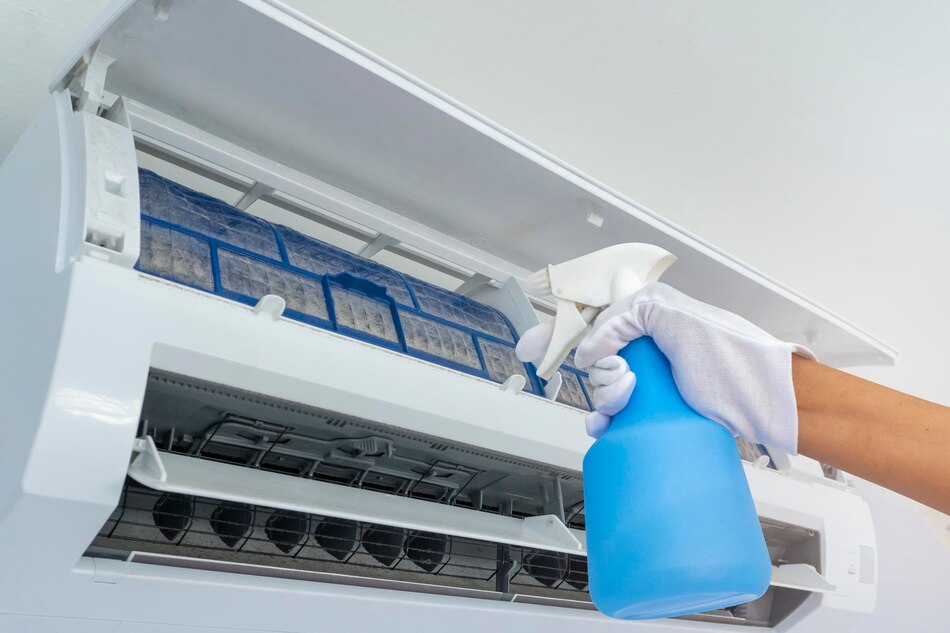
One of the first steps in an aircon service is cleaning or replacing the air filters. This helps to ensure smooth airflow and maintain clean indoor air quality.
Checking Refrigerant Levels
Low refrigerant levels can cause your aircon to work harder, consuming more energy. A technician will check refrigerant levels and top up if necessary during servicing.
Cleaning Coils and Fins
Dirt and debris can accumulate on the evaporator and condenser coils, reducing efficiency. Regular cleaning of these components helps improve heat exchange and cooling performance.
Inspecting Electrical Components
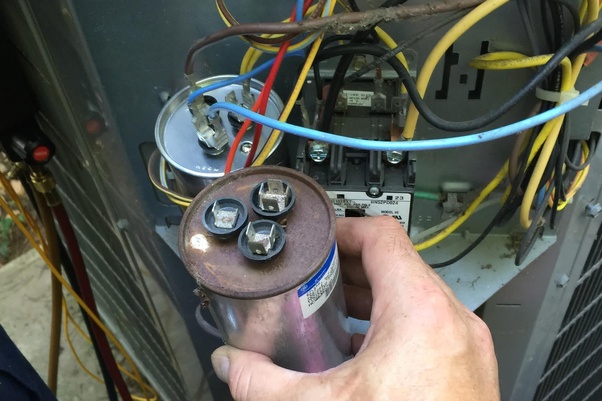
Technicians will inspect electrical components, such as the capacitor, wiring, and thermostat, to ensure everything functions correctly.
Testing the System
Once all cleaning and repairs are complete, the technician will test the aircon system to ensure it operates efficiently.
DIY Aircon Maintenance Tips
While professional aircon servicing is essential, there are some simple DIY tasks you can do between services to keep your aircon in good shape.
Clean the Air Filters
Every month, remove and clean the air filters with water or a vacuum to remove dust and debris.
Check for Obstructions
Make sure no obstructions, such as furniture or curtains, block airflow from your aircon vents.
Inspect the Outdoor Unit
Keep the outdoor condenser unit free from leaves, dirt, and debris that could block airflow and reduce cooling efficiency.
Monitor Performance
Keep an eye on how well your aircon is performing. If you notice any issues, contact a technician before they escalate.
Singapore’s Regulations On Aircon Systems
In Singapore, the National Environment Agency (NEA) and the Building and Construction Authority (BCA) have placed regulations around air conditioning systems to ensure safety and environment efficient operation. These regulations include the Air-Conditioning and Mechanical Ventilation (ACMV) system under the Building Control Act and the Environmental Public Health Act.
As per these regulations, the NEA recommends regular servicing of all aircon units at least every three months, whereas BCA recommends a servicing at least once a year.
All aircon service contractors must be licensed by NEA and the technician must be trained to conduct aircon servicing.
All residential and business air conditioning systems must comply with these regulations in Singapore.
Final Thoughts
Regular aircon servicing is vital to ensure the efficiency, longevity, and health benefits of your air conditioning system. Depending on how frequently you use your aircon, aim to schedule professional servicing every 3 to 6 months. Routine maintenance keeps your aircon functioning at its best and saves you money by improving energy efficiency and preventing costly repairs. Be proactive about aircon care; you’ll enjoy cool, comfortable air in your home year-round.
Always remember to consult with reliable and professional aircon servicing companies in Singapore for top-notch care of your unit. Whether it’s for your home or office, maintaining a regular service schedule will help keep your aircon running smoothly, especially during Singapore’s hot and humid seasons.
Singapore’s tropical climate can make air conditioning a necessity rather than a luxury, especially in rental properties. To ensure a comfortable living environment, it’s crucial to address aircon servicing and repairs promptly. But who bears the responsibility for aircon servicing and repairs in rental properties in Singapore? In this article, we’ll explore the common questions and issues surrounding aircon servicing in rental properties.
Technician doing aircon servicing in rented flat
Do Tenants or Landlords Service Aircon in Singapore?
The responsibility for aircon servicing in Singapore rental properties often depends on the terms outlined in the tenancy agreement. Typically, landlords are responsible for the initial servicing and maintenance of air conditioning units before a new tenant moves in. This includes ensuring that the aircon units are clean and in good working condition.
Who Should Pay for Repairs: Landlord or Tenant?
When it comes to repairs, the general rule is that landlords are responsible for major repairs and replacements due to normal wear and tear. This includes issues like compressor failure, motor problems, or leaks. However, if the tenant is found to be responsible for the damage, or has not followed the regular aircon service terms as per the tenancy agreement, they may be liable for the repair costs.
Should Tenants Pay for Aircon Repair?
Tenants are usually not responsible for the cost of repairing air conditioning units if the damage is not due to their negligence or misuse. However, tenants are expected to report any issues with the aircon promptly to the landlord to prevent further damage and ensure timely repairs.
Who Pays for Aircon Servicing?
Regular aircon servicing, such as cleaning the filters and checking for minor issues, is typically the responsibility of the tenant during the tenancy period. It’s essential for tenants to maintain the cleanliness of the air conditioning units to ensure they function efficiently. Some tenancy agreements may specify a schedule for aircon servicing, so tenants should review their lease to understand their obligations.
Do Tenants Have to Do Aircon Chemical Servicing After the End of the Tenancy Period?
Aircon chemical servicing is a more extensive and thorough cleaning process that involves dismantling and cleaning various components of the air conditioning unit. In most cases, tenants are not responsible for aircon chemical servicing after the end of the tenancy period unless specified otherwise in the tenancy agreement. It’s typically the landlord’s responsibility to ensure the unit is in good condition for the next tenant.
Tips for Tenants and Landlords:
Read and Understand the Tenancy Agreement: Both tenants and landlords should carefully read and understand the terms of the tenancy agreement regarding aircon servicing and repairs. If there are any ambiguities, consider clarifying these points before signing the contract.
Regular Maintenance: Tenants should perform regular maintenance, such as cleaning filters, to ensure the air conditioning units function optimally. This can help prevent major issues and prolong the lifespan of the units.
Document and Report Issues: Tenants should promptly report any aircon issues to the landlord and document the condition of the unit during move-in and move-out to avoid disputes over damages.
Communication is Key: Landlords and tenants should maintain open and clear communication regarding aircon servicing and repairs to ensure a comfortable living environment for the tenant and the longevity of the equipment.
In Singapore, the responsibility for aircon servicing and repairs in rental properties is primarily determined by the terms of the tenancy agreement. Landlords generally bear the responsibility for major repairs and initial servicing, while tenants are typically responsible for regular maintenance and minor issues during the tenancy period. To avoid disputes and ensure a pleasant living experience, both landlords and tenants should understand their obligations and communicate effectively when it comes to air conditioning maintenance and repairs.




You must be logged in to post a comment.