5 Best & Beneficial Exercises For Women With PCOS

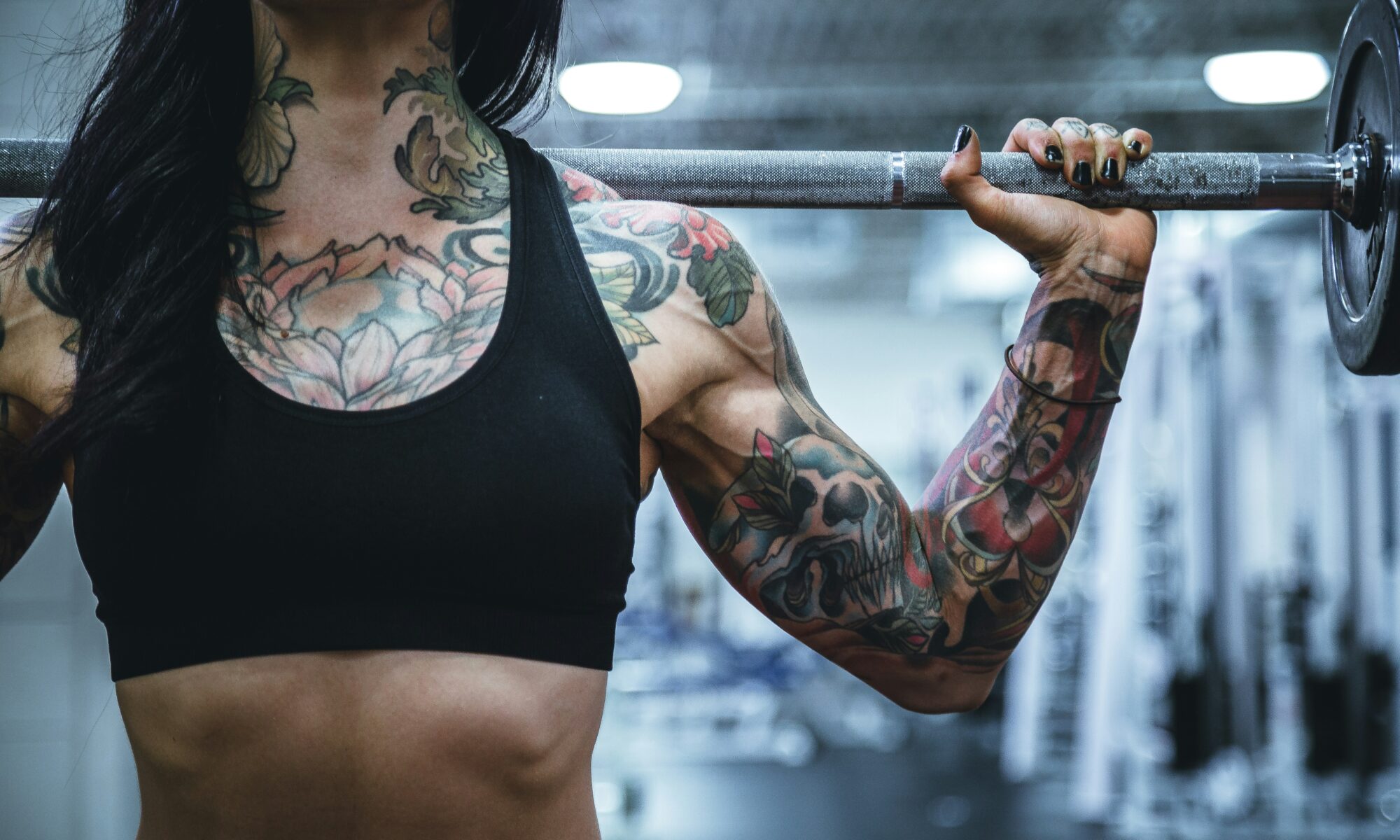
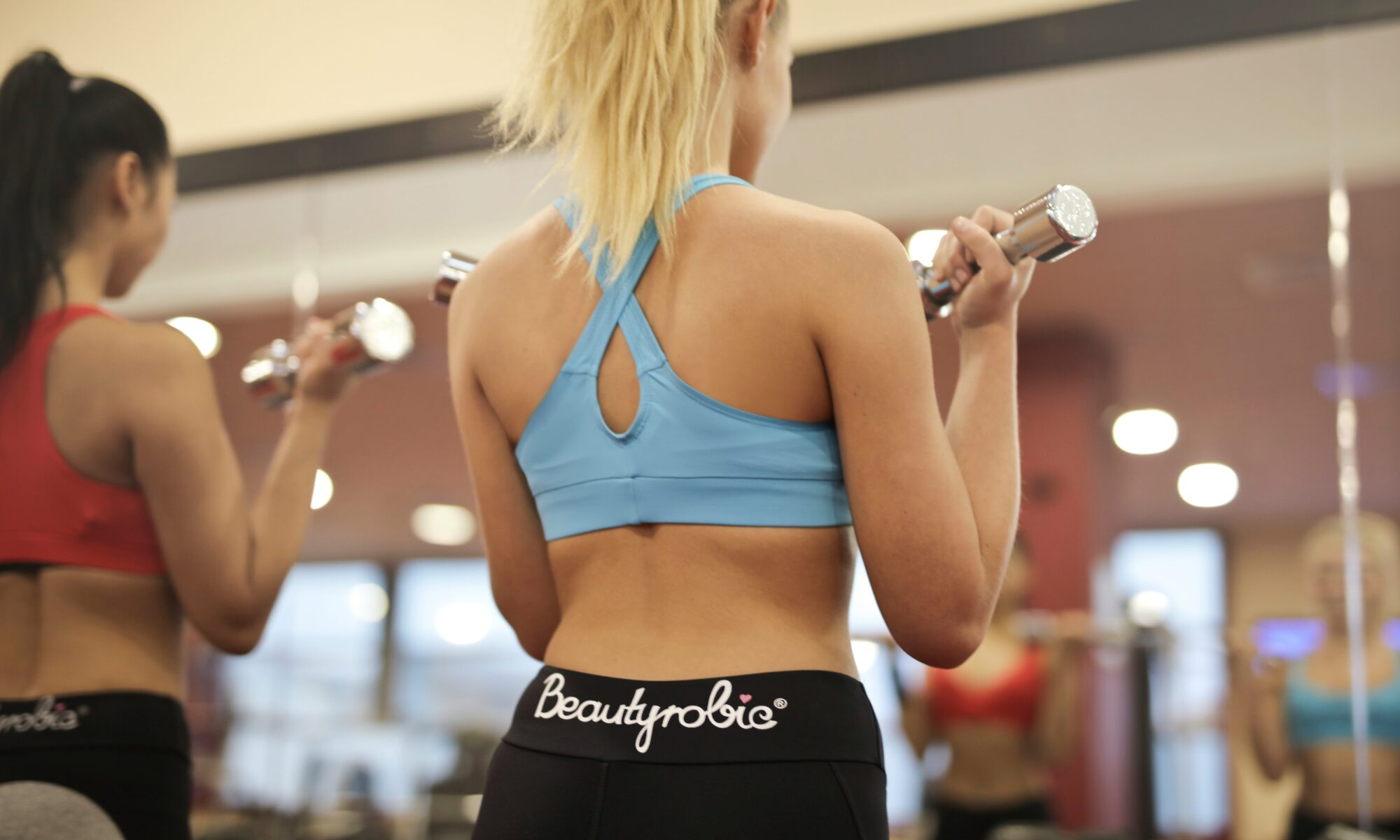
Women partaking in PCOS-friendly strength-training

Over the years, Polycystic Ovary Syndrome (PCOS) has been the talk of town on several social media platforms. For the unbeknownst, PCOS is a common hormonal disorder among women of reproductive age, characterized by irregular menstrual cycles, excess androgen levels, and polycystic ovaries. Exercises is a key component of managing PCOS as it helps with weight loss, insulin sensitivity, and hormonal balance.

Exercise not only aids in weight management but also improves insulin sensitivity, reduces stress, and helps balance hormones. Here are the five best exercises for women with PCOS, focusing on their benefits and how they help alleviate symptoms.

1. Cardiovascular exercise

Cardio is a great way to manage PCOS symptoms. Exercises like brisk walking, jogging, cycling, and swimming, are excellent for improving heart health and boosting insulin sensitivity. It’s beneficial that they help burn calories and promote weight loss too!

Benefits of Cardio:

  • Improves cardiovascular health by strengthening the heart and lungs.
  • Enhances insulin sensitivity, reducing the risk of type 2 diabetes.
  • Promotes mood regulation by releasing endorphins, commonly known as “feel-good” hormones.

Tip: Start with 30 minutes of moderate-intensity cardio, 5 days a week. Choose activities you enjoy, such as a morning jog at the park or a relaxing swim, to ensure consistency.
2. Strength-training

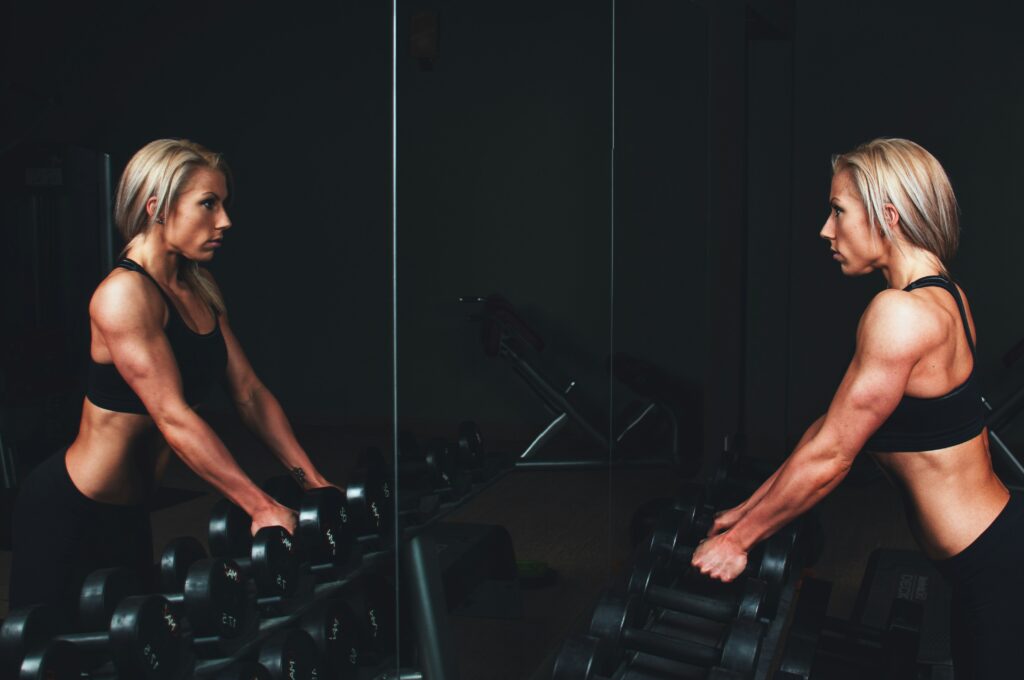
Incorporate strength-training, like weightlifting and bodyweight exercises – helps build muscle mass and improve metabolic rate. Muscle tissue burns more calories at rest compared to fat tissue, making it an effective exercise.

Benefits of Strength-Training:

  • Enhances muscle tone and increases strength.
  • Boosts resting metabolic rate, aiding in calorie burning even at rest.
  • Improves bone density, reducing the risk of osteoporosis.

Beginner-Friendly Strength-Training Routine:

  • Squats: Targets lower body muscles.
  • Lunges: Enhances stability and strength.
  • Push-Ups: Works on upper body strength.
  • Dumbbell Rows: Strengthens back muscles.

Tip: Start with 2–3 sessions per week, focusing on major muscle groups for balanced development.

3. High-Intensity Interval Training (HIIT)

A popular form of exercise, HIIT involves short bursts of exercise followed by rest or low-intensity exercise. This kind of workout is highly effective for burning fat and improving cardio fitness in a shorter amount of time.

Benefits of HIIT:

  • Burns a high number of calories in less time, making it time-efficient.
  • Boosts metabolism even after the workout, thanks to the afterburn effect.
  • Improves insulin sensitivity, which is critical for managing PCOS.

How to Get Started:

  • Warm-Up (5 minutes): Light jogging or dynamic stretches.
  • Alternate between:
    • 30 seconds of high-intensity exercise (e.g., sprinting, burpees).
    • 30–60 seconds of low-intensity exercise (e.g., walking or slow jogging).
  • Repeat for 15–20 minutes.
  • Finish with a cool-down period and stretches.

Tip: Engage in HIIT 2–3 times a week but listen to your body and avoid overtraining.

student practicing yoga in a yoga studio

4. Yoga

Plenty of you already know this but yoga is beneficial for reducing stress, improving flexibility, and promoting hormonal balance. Stress reduction is particularly important for women with PCOS – as high stress levels can exacerbate symptoms.

Benefits of Yoga:

  • Reduces cortisol levels, helping to manage stress.
  • Improves flexibility and strengthens core muscles.
  • Promotes relaxation and improves sleep quality.

Yoga Poses for PCOS:

  • Child’s Pose (Balasana): Relaxes the mind and body.
  • Bridge Pose (Setu Bandhasana): Stimulates abdominal organs and reduces stress.
  • Supine Spinal Twist (Supta Matsyendrasana): Aids digestion and stretches the lower back.

Tip: Aim for 3–4 yoga sessions per week, and focus on poses that enhance relaxation and balance.

5. Pilates

Finally, Pilates. This exercise focuses on strengthening the core, improving posture, and enhancing flexibility. It is a low-impact exercise, making it suitable for women with PCOS who may experience join pain or other physical limitations.

Add various Pilates exercises into your weekly routine – before you start your day or after you’ve ended it. You’re on the right track whether you follow online tutorials or attend a physical class to learn proper techniques.

Benefits of Pilates:

  • Enhances core strength and stabilizes the body.
  • Improves posture and alignment, reducing the risk of injuries.
  • Strengthens muscles without putting excess strain on the joints.

Getting Started with Pilates:

  • Attend a beginner Pilates class or follow an online tutorial.
  • Incorporate exercises like leg circles, planks, and pelvic curls into your routine.
  • Dedicate 15–30 minutes, 3–4 times a week, to see noticeable improvements.

Final Thoughts

Exercise is a cornerstone of managing PCOS symptoms effectively. Incorporating activities like cardio, strength-training, HIIT, yoga, and Pilates into your routine can improve insulin sensitivity, aid in weight loss, and promote hormonal balance. Beyond the physical benefits, these exercises also enhance mental well-being, reduce stress, and improve overall quality of life.

Remember, the key to long-term success lies in choosing activities you enjoy and can sustain. Combine your workout routine with a healthy diet and regular medical check-ups to optimize the management of PCOS symptoms. Whether you’re hitting the gym, practicing yoga at home, or taking a brisk walk in the park, every step brings you closer to better health and well-being.


Can You Dry Clothes With Aircon? Learn The Expert Tip

hanging clothes indoor to dry

The unpredictable weather in Singapore and the humid climate makes drying clothes here an absolute challenge. Especially if you don’t own a dryer. Many people wonder if using an aircon can help dry clothes faster or if it might leave them smelling musty? Read on to finding out how effective an aircon can be for drying clothes and uncover the secrets to making this method work for you.

hanging t-shirt indoors, with aircon switched on, to dry

How Aircon can help dry clothes

Aircons are designed to cool the air and reduce humidity levels. Which can theoretically help dry clothes faster by removing moisture from the air. But does it fully work?

Reduced humidityOne of the primary functions of an aircon is to remove moisture from the air. This dehumidifying effect creates an environment where moisture from your clothes can evaporate more quickly. In Singapore’s high humidity, this is particularly beneficial as drying clothes indoors often takes longer without a significant drop in humidity.
Consistent air flowAircons ensure a steady airflow, which is essential for accelerating the drying process. Positioning your clothes near the aircon vent allows cool, dry air to pass over them, enhancing evaporation. This airflow prevents moisture from lingering and reduces the chances of musty odors.
ConvenienceUsing an aircon for drying clothes is a practical alternative to outdoor drying, especially during the rainy season. It eliminates worries about unexpected downpours or pollutants that can settle on clothes when hung outside.
Temperature RegulationUnlike traditional dryers, aircons maintain a consistent, cool temperature, preventing heat damage to delicate fabrics. This makes it a gentle yet effective option for drying clothes that require extra care.

Potential downsides and solutions

Musty OdorOne common concern is that clothes might develop a musty smell when dried with an aircon. This would occur if clothes were not dried thoroughly and remain damp for too long. To avoid this, ensure clothes are spread out and not bunched together, allowing air to circulate freely around each item.

Solution:
– Spread your clothes out evenly on a drying rack, ensuring there’s enough space for air to circulate around each piece.
– Consider using hangers for larger items like shirts or dresses to maximize air exposure.
– Turn your clothes halfway through the drying process to ensure all sides are exposed to airflow.
Energy ConsumptionRunning an aircon to dry clothes can increase energy usage. To reduce this, use the aircon during regular timing and ensure the room is well-insulated to maintain efficiency.

Solution:
– Dry your clothes while the aircon is already in use to avoid additional energy costs.
– Opt for energy-efficient aircon models and ensure your unit is regularly serviced to maintain peak performance.
– Use a dehumidifier mode (if available) instead of the cooling mode to consume less energy while still removing humidity from the air.
Longer Drying TimesAircon drying can take longer than using a traditional dryer, especially if the room is not well-ventilated.

Solution:
– Pair your aircon with a fan to improve airflow and speed up the drying process.
– Close windows and doors to prevent warm, humid air from entering the room. This ensures the aircon can work more efficiently.
Impact on Aircon LongevityUsing your aircon for drying clothes frequently might lead to wear and tear if not properly maintained.

Solution:
– Schedule regular aircon servicing to clean filters and ensure the system is running efficiently.
– Avoid overburdening the aircon by using it only when necessary for drying clothes.

Expert Tips for Drying Clothes with Aircon

Use the Right SetupInvest in a foldable drying rack that can be positioned near the aircon vent. A tiered rack can help maximize space and allow airflow to reach all garments evenly.
Choose Lightweight FabricsHeavier fabrics like jeans or thick towels may take longer to dry with aircon alone. Prioritize lightweight items like t-shirts, underwear, and bed linens for quicker results.
Pre-Dry with a TowelBefore hanging your clothes, roll them in a clean, dry towel to remove excess moisture. This simple step can significantly reduce drying time.
Add Scent BoostersTo keep your clothes smelling fresh, add a few drops of essential oil to a piece of cloth and hang it near your drying rack. The aircon’s airflow will help diffuse the pleasant scent.
Time Your Drying SessionsRun your aircon for a couple of hours and then check the dryness of your clothes. This helps you avoid running the unit longer than necessary, saving energy and extending its lifespan.

Final Thoughts

Using an aircon can be an effective way to dry clothes, especially in humid climates like Singapore. By reducing humidity and maintaining airflow, an aircon can speed up the drying process and prevent clothes from developing a musty odor. However, it’s essential to use proper drying techniques and regularly service your aircon for optimal results.

For households looking for flexibility and convenience, aircon drying is an excellent alternative that complements modern living. Give it a try, and enjoy the benefits of a hassle-free laundry routine, rain or shine!

Hiring A Helper If You’re Unemployed? The Surprising Truth!

adults assisting a baby to stand

Hiring a maid in Singapore can be a game-changer for many households. However, if you’re unemployed, you might wonder if it’s feasible — or even allowed — to hire a Foreign Domestic Worker (FDW). Balancing financial constraints with the need for a clean and organized home can be challenging, but there are options worth considering. Let’s explore the requirements for hiring an FDW and why part-time cleaning services might be the ideal solution for unemployed individuals.

The lowdown on hiring an FDW

According to Singapore’s Ministry of Manpower (MOM), hiring an FDW comes with specific eligibility criteria.

Income requirementsTo hire an FDW, you need to demonstrate financial stability. Although MOM does not specify a minimum income threshold, they assess each application to ensure you can afford the FDW’s salary, food, medical insurance, and levy.

Unemployed individuals often struggle to meet this requirement due to the lack of a steady income stream. Even if you have savings, MOM may not approve the application without proof of regular income.
Suitable accommodationEmployers must provide a safe and adequate living environment for their FDW. Typically, this means having a separate room or designated space for the helper to ensure their privacy and comfort.

For unemployed individuals living in smaller homes or without a dedicated spare room, meeting this accommodation requirement can be a significant barrier.
Financial stabilityYou cannot hire an FDW if you are an undischarged bankrupt. MOM needs assurance that you can manage your financial obligations, including the costs of hiring, maintaining, and providing for the FDW.

Given these stringent requirements, unemployed individuals may find it challenging to hire a full-time maid due to the need for a steady income and financial stability. However, there’s a practical and affordable alternative worth considering.

Why Hiring a Full-Time FDW May Not Be Feasible

For unemployed individuals, the financial burden of hiring an FDW goes beyond just the salary. Additional expenses include:

  • Monthly levy: The government-imposed levy for employing an FDW.
  • Medical insurance and annual check-ups: These are mandatory and ensure the helper’s health and welfare.
  • Food and utilities: Additional costs for meals and increased electricity and water usage.
  • Repatriation costs: If you can no longer employ the helper, you’re responsible for their return airfare.

These cumulative costs can make hiring an FDW unaffordable for unemployed individuals or those with financial instability.

Why opt for a part-time cleaner 

For those facing financial uncertainty or unemployment, hiring a part-time cleaner offers several advantages:

Cost-effective solutionPart-time cleaners charge by the hour or session, eliminating the need for a fixed monthly salary and levy. This allows you to manage your budget better while still enjoying professional cleaning services. Rates in Singapore typically range from $15 to $30 per hour, depending on the service provider.
FlexibilityPart-time cleaners work on your terms. Whether you need weekly, bi-weekly, or ad-hoc cleaning sessions, you can tailor the schedule to fit your needs and financial situation. This flexibility ensures you only pay for services when you require them.
No accommodation hasslesPart-time cleaners do not live in your home. This removes the need for additional living space, which is often a requirement for FDWs. It also eliminates the costs associated with providing food and utilities for a live-in helper.
Professional serviceMany cleaning companies in Singapore provide trained and experienced part-time cleaners, ensuring high standards of cleanliness and reliability. Whether it’s vacuuming, mopping, or deep cleaning your kitchen, they can ensure your home stays spotless without you needing to lift a finger.
Simplified administrationHiring an FDW involves managing work permits, medical insurance, and levies, which can be overwhelming. Part-time cleaning services, on the other hand, come with no such administrative burdens. All you need to do is book a session with a trusted cleaning provider.

Additional Benefits of Part-Time Cleaning Services

Access to Specialized Cleaning

Many part-time cleaners are equipped to handle tasks like sofa shampooing, carpet cleaning, and even aircon servicing. These additional services can be scheduled as needed, ensuring every corner of your home is well-maintained.

Eco-Friendly Options

Reputable cleaning companies often use eco-friendly products, making part-time cleaning services an excellent choice for those looking to maintain a green household.

Stress-Free Maintenance

Balancing household chores while job hunting or managing other responsibilities can be stressful. Hiring a part-time cleaner allows you to focus on more pressing matters while ensuring your living space remains clean and organized.

Final Thoughts

While hiring a full-time maid might be out of reach for unemployed individuals due to financial and regulatory constraints, a part-time cleaner offers a practical, affordable, and flexible alternative. Part-time cleaners provide household support without the financial burden and administrative complexities of hiring an FDW.

For those navigating unemployment or financial instability, part-time cleaning services ensure your home remains clean and well-maintained, providing peace of mind and convenience.

5 Must-Have Superfoods for New Moms To Boost Recovery Post-Childbirth!

post-childbirth meal

The postpartum period is a critical time for new moms. Post-childbirth is when a woman’s body requires ample nutrition to recover, produce milk, and maintain overall health. Superfoods — nutrient-dense foods packed with vitamins, minerals, and other essential compounds — can help new moms regain their strength and energy. Incorporating these five superfoods into your diet can aid in recovery, enhance milk production, and provide the stamina needed for motherhood.

post-childbirth meal: salmon

1. Salmon

Ever noticed why most confinement meals contain different types of fish? That’s because it’s loaded with plenty of vitamins and minerals. In this case, Salmon is a fantastic source of docosahexaenoic acid (DHA) – an essential omega-3 fatty acid that’s critical for the development of a baby’s nervous system. It’s also beneficial for mothers as it can help alleviate postpartum depression and improve mood.

Benefits:

  • Boosts Brain Health: DHA supports the cognitive development of the baby and helps moms combat baby brain or postpartum brain fog.
  • Reduces Inflammation: The anti-inflammatory properties of omega-3s aid in healing post-delivery trauma.
  • Protein-Rich: Salmon provides high-quality protein needed for tissue repair and muscle recovery.

How to Incorporate:

Grill or steam salmon and pair it with leafy greens for a wholesome meal. Alternatively, enjoy it in soups, salads, or sushi rolls (opt for cooked versions during postpartum).

post-childbirth meal: leafy greens

2. Leafy Greens

Leafy greens like spinach, kale, and Swiss chard are loaded with vitamins A, C, E, and K. They also provide a good amount of fiber, iron, and calcium, all of which are essential for postpartum recovery.

Benefits:

  • Supports Bone Health: Calcium aids in bone repair and prevents deficiencies that can arise during breastfeeding.
  • Boosts Iron Levels: Iron-rich greens prevent anemia, a common condition in postpartum women.
  • Aids Milk Production: Greens contain phytoestrogens that may enhance lactation.

How to Incorporate:

Add spinach to smoothies, soups, or omelets. Kale chips make a healthy snack, and steamed broccoli pairs well with lean proteins for a nutrient-dense meal.

post-childbirth meal: oats

3. Oats

Oats are a great source of whole grains and are rich in iron, fiber, and protein. They are also believed to help increase milk supply in breastfeeding mothers due to their high content of beta-glucan.

Benefits:

  • Increases Milk Supply: Beta-glucan helps new moms meet their breastfeeding goals.
  • Improves Digestion: High fiber content promotes a healthy digestive system and prevents constipation.
  • Sustains Energy: Provides long-lasting energy to keep up with the demands of motherhood.

How to Incorporate:

Enjoy oats as a warm bowl of porridge topped with nuts, seeds, and fruits. Overnight oats and oat smoothies are convenient options for busy mornings.

post-childbirth meal: greek yogurt and blueberries

4. Greek Yogurt

The tangy and rich Greek yogurt is an excellent source of calcium, protein, and probiotics. These nutrients are crucial for bone health, muscle repair, and maintaining a healthy gut. For an added nutritional boose, you can add it to your smoothies or bowl of oats.

Benefits:

  • Strengthens Bones: High calcium content replenishes what the body loses during breastfeeding.
  • Aids Digestion: Probiotics support a healthy gut and reduce bloating or discomfort.
  • Repairs Muscles: Protein helps repair tissues and muscles strained during labor and delivery.

How to Incorporate:

Add Greek yogurt to smoothies, use it as a base for salad dressings, or pair it with granola and fruits for a nutritious snack. 

5. Blueberries

Did you know blueberries are packed with antioxidants, vitamins, and fiber? They protect the body from oxidative stress, are rich in vitamins C and K, and aids in digestion – preventing constipation.

Benefits:

  • Protects Cells: Antioxidants combat free radicals and promote cellular repair.
  • Boosts Immunity: Vitamin C strengthens the immune system for both mom and baby.
  • Improves Digestion: High fiber content prevents postpartum constipation.

How to Incorporate:

Snack on fresh blueberries, add them to oatmeal or yogurt bowls, or blend them into smoothies for a burst of flavor and nutrients.

Final Thoughts

By incorporating these superfoods into your post-childbirth diet, you are significantly aiding your body in recovery, boosting energy levels, and improving your overall health. Blueberries provide essential nutrients that support both the mother and the baby’s well-being.

As always, with matters of the health, it’s always important to consult with your healthcare provider before making dietary changes — especially during the postpartum period. By nourishing your body with these superfoods, you’ll be better equipped to navigate the beautiful yet demanding journey of motherhood with strength and vitality.

5 Best Reasons Strength-Training Is Important For Women

tattooed woman carrying weights

Often associated with bulking up, strength-training is an important addition to a balanced fitness regime for women. It goes beyond muscle building. It offers numerous benefits that enhance overall health and wellness. Here are the five best reasons every woman should consider incorporating strength-training into her fitness routine.

1. Enhances Metabolic Rate

One of the most compelling benefits of strength training is its ability to boost metabolic rate. Muscle tissue burns more calories at rest than fat tissue, which means the more muscle you have, the higher your resting metabolic rate.

Sustainable Fat Loss: Unlike cardio, which primarily burns calories during the activity, strength training alters body composition by building lean muscle while reducing fat, making weight management more sustainable in the long term.

Calorie Burn Post-Workout: Strength training leads to the “afterburn effect” (excess post-exercise oxygen consumption), where your body continues burning calories even after you’ve finished your workout. This effect can last for hours or even days.

Weight Management: For women looking to lose weight or maintain a healthy weight, this increase in metabolism makes strength training a game-changer. It’s particularly effective in counteracting the natural slowdown in metabolism that occurs with age.

2. Improves Bone Density

Women are at a higher risk of osteoporosis and fractures, especially after menopause, due to the natural decline in estrogen levels that affects bone density. Strength training provides a proactive solution to this problem.

Joint Support: Strong muscles provide better support for joints, reducing the risk of arthritis and improving overall mobility.

Bone Strength: Weight-bearing exercises like squats, deadlifts, and lunges stimulate bone growth by putting stress on the bones, which encourages them to become denser and stronger.

Osteoporosis Prevention: Studies show that regular strength training can slow down bone loss and even reverse it in some cases. Women who engage in strength training are less likely to experience fractures or bone-related injuries later in life.

3. Reduces Risk of Chronic Diseases

Strength training is a powerful preventative measure against various chronic diseases that disproportionately affect women, such as heart disease, diabetes, and arthritis.

Anti-Inflammatory Effects: Chronic inflammation is linked to diseases like arthritis and some cancers. Strength training reduces inflammation in the body, contributing to better long-term health.

Heart Health: Regular strength training can lower LDL (bad cholesterol) and increase HDL (good cholesterol), improving cardiovascular health. It also helps in regulating blood pressure, reducing the risk of heart disease.

Diabetes Management: Strength training enhances insulin sensitivity, allowing your body to manage blood sugar levels more effectively. This can prevent type 2 diabetes or help manage it in those already diagnosed.

woman toning her back via strength-training

4. Aids in Body Sculpting and Toning

Many women aspire to have a toned and lean physique, and strength training is the most effective way to achieve that. Contrary to common myths, lifting weights does not make women bulky but instead helps create a sculpted, athletic look.

Functional Strength: Beyond aesthetics, increased muscle strength makes everyday tasks easier, from carrying groceries to playing with your kids.

Body Composition: Unlike cardio, which primarily burns calories, strength training reshapes your body by building muscle and reducing fat simultaneously.

Firmness and Definition: By targeting specific muscle groups, strength training allows women to enhance their arms, legs, and core, achieving a firmer, more defined appearance.

woman smiling after completing a set in strength-training

5. Boosts Mental Health and Mood

The benefits of strength training extend far beyond physical health—it has a profound impact on mental well-being.

Stress Relief: The focus required during strength training helps to clear the mind and reduce stress levels. Many women find strength training to be a therapeutic outlet for managing the challenges of daily life.

Endorphin Release: Strength training triggers the release of endorphins, which are natural mood boosters. This can alleviate symptoms of depression and anxiety while promoting feelings of happiness and relaxation.

Confidence and Empowerment: Mastering strength-training exercises and achieving fitness milestones can build confidence and improve self-esteem. Feeling physically strong often translates into feeling mentally strong, empowering women in all aspects of life.

Final Thoughts

In conclusion, strength-training is an incredibly beneficial regime for women to incorporate into their workouts. It impacts physical health, mental well-being, and aesthetic goals. Moreso, it’s beyond muscle gain – it’s an important factor for a healthier lifestyle. Whether you’re a seasoned gym-goer or would like to try your hand at strength-training workouts, it’s always advisable to work with a physical trainer who can provide guidance tailored to your fitness level and goals. 

5 Tips You Need To Know To Get Rid Of Pesky Dust Mites

dirty pillows

If you’ve ever encountered dust mites, then you know that these microscopic creatures thrive in our homes – especially in warm and humid environments like Singapore. These tiny pests can trigger allergies and asthma, making it important to keep them under control. Read further to learn how to get rid of dust mites and maintain a cleaner, healthier home.

robot vacuum cleaning the house

1. Regular Cleaning and Vacuuming

Regular cleaning is your first line of defense against dust mites. Since these tiny pests feed on skin flakes that collect in carpets, upholstery, and bedding, it’s important to:

  • Vacuum Frequently: Use a vacuum cleaner equipped with a HEPA (High-Efficiency Particulate Air) filter. HEPA filters trap allergens and dust mites effectively, preventing them from becoming airborne during cleaning. Focus on carpets, rugs, and upholstered furniture, as these areas are hotspots for mites.
  • Mop Floors: Hard floors should be mopped regularly with a damp mop to capture fine particles of dust that vacuuming might miss.
  • Dust Surfaces: Use a damp microfiber cloth to clean shelves, windowsills, and other surfaces. Dry cloths can spread dust rather than remove it.

Tip: Dust your home from top to bottom so that any particles knocked off higher surfaces can be cleaned up later.

2. Wash Bedding Regularly

Bedding is a favorite hangout for dust mites due to its warmth, moisture, and access to dead skin cells. To keep your sleeping area fresh and allergen-free:

  • Weekly Wash: Wash sheets, pillowcases, and blankets in hot water (at least 60°C) to kill dust mites.
  • Use Allergen-Proof Covers: Encasing mattresses, pillows, and duvets in allergen-proof covers creates a barrier between you and the mites.
  • Replace Bedding Regularly: Replace pillows every 1-2 years and mattresses every 8-10 years to minimize dust mite buildup.
  • Sun Your Bedding: Exposing your bedding to sunlight can help reduce moisture and kill dust mites naturally.

Tip: Avoid using heavy, non-washable bedding, as they can harbor mites over time. Opt for lightweight, washable materials.

3. Control Humidity Levels

Dust mites thrive in environments with humidity levels above 50%. By controlling indoor humidity, you can create an environment that’s inhospitable to these pests:

  • Use a Dehumidifier: Invest in a dehumidifier to maintain indoor humidity below 50%. This device is especially helpful in tropical climates where humidity tends to be high year-round.
  • Run Your Aircon: Air conditioning not only cools the air but also reduces humidity levels, helping to keep your home dry and less inviting to dust mites.
  • Ventilate Properly: Open windows and doors periodically to promote fresh air circulation. Exhaust fans in kitchens and bathrooms can also help to expel moist air.

Tip: Avoid overwatering indoor plants, as they can add to the humidity levels in your home.

4. Minimize Clutter

Clutter acts as a magnet for dust and provides countless hiding spots for dust mites. Keep your home organized and free of unnecessary items to minimize their breeding grounds:

  • Declutter Regularly: Sort through items in bedrooms, living rooms, and other spaces to remove items you no longer need.
  • Opt for Closed Storage: Store items in plastic bins with tight-fitting lids to keep them dust-free.
  • Limit Soft Furnishings: Items like throw pillows, stuffed toys, and fabric-covered furniture can harbor dust mites. If you can’t part with them, wash them frequently or keep them in sealed containers when not in use.

Tip: Keep shelves clear of unnecessary knick-knacks to reduce dust accumulation and make cleaning easier.

5. Use Dust Mite Sprays and Treatments

Sometimes, regular cleaning might not be enough. Specialized products can help target dust mites directly:

  • Dust Mite Sprays: These sprays are formulated to kill dust mites on contact. Apply them to mattresses, furniture, and carpets, following the manufacturer’s instructions.
  • Essential Oils: Natural remedies like eucalyptus, tea tree, and lavender essential oils are known for their dust mite-repelling properties. Add a few drops to your cleaning solutions or use them in a diffuser to deter mites while keeping your home smelling fresh.
  • Baking Soda Treatment: Sprinkle baking soda mixed with a few drops of essential oil over your mattress and carpets. Let it sit for a few hours before vacuuming to refresh these surfaces and reduce allergens.

Tip: Choose products that are safe for pets and children, especially if you’re treating areas where they frequently play or rest.

Final Thoughts

Getting rid of pesky dust mites may seem like a daunting task, but consistent cleaning, humidity control, and proper preventive measures can significantly reduce their presence. Incorporate these tips into your routine to create a healthier and more comfortable living environment. 

Remember, a clean home is not just about appearances — it’s about creating a safe, allergen-free space for you and your family. With these steps, you can keep dust mites at bay and breathe easier every day.

However, if all that’s proven to be difficult for you, you can always opt for extra help by hiring a part-time cleaner to help maintain a healthy and clean home.